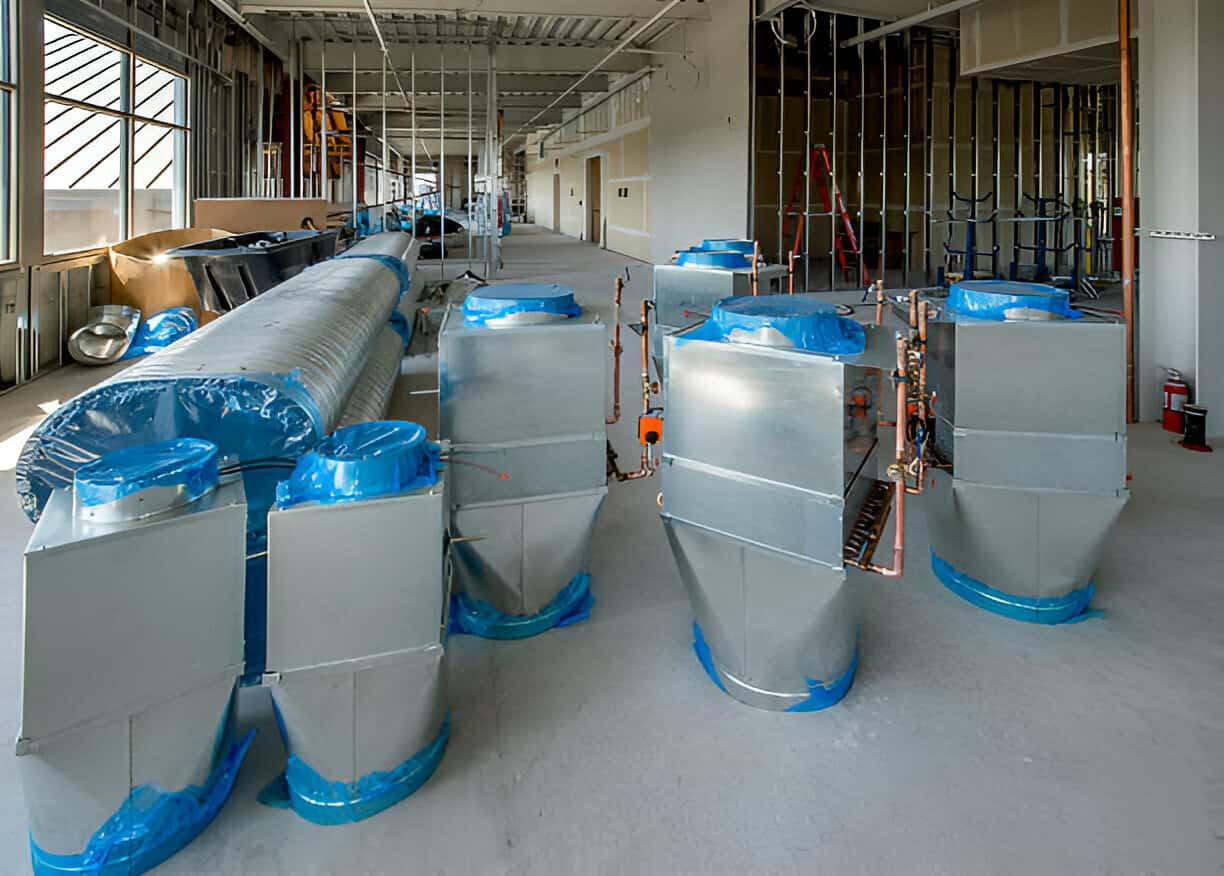


HVAC Replacement in Ana Verde, CA
Replacing an aging or failing HVAC system is one of the most impactful upgrades you can make for year-round comfort, indoor air quality, and long-term energy savings. For homeowners in Ana Verde, CA, choosing the right time and the right system matters because the local climate places unique demands on heating and cooling equipment. This page explains when replacement is recommended versus repair, how to choose a replacement system for improved efficiency and comfort, what the replacement process looks like, and practical guidance on disposal, incentives, and financing — all tailored to HVAC replacement in Ana Verde, CA.
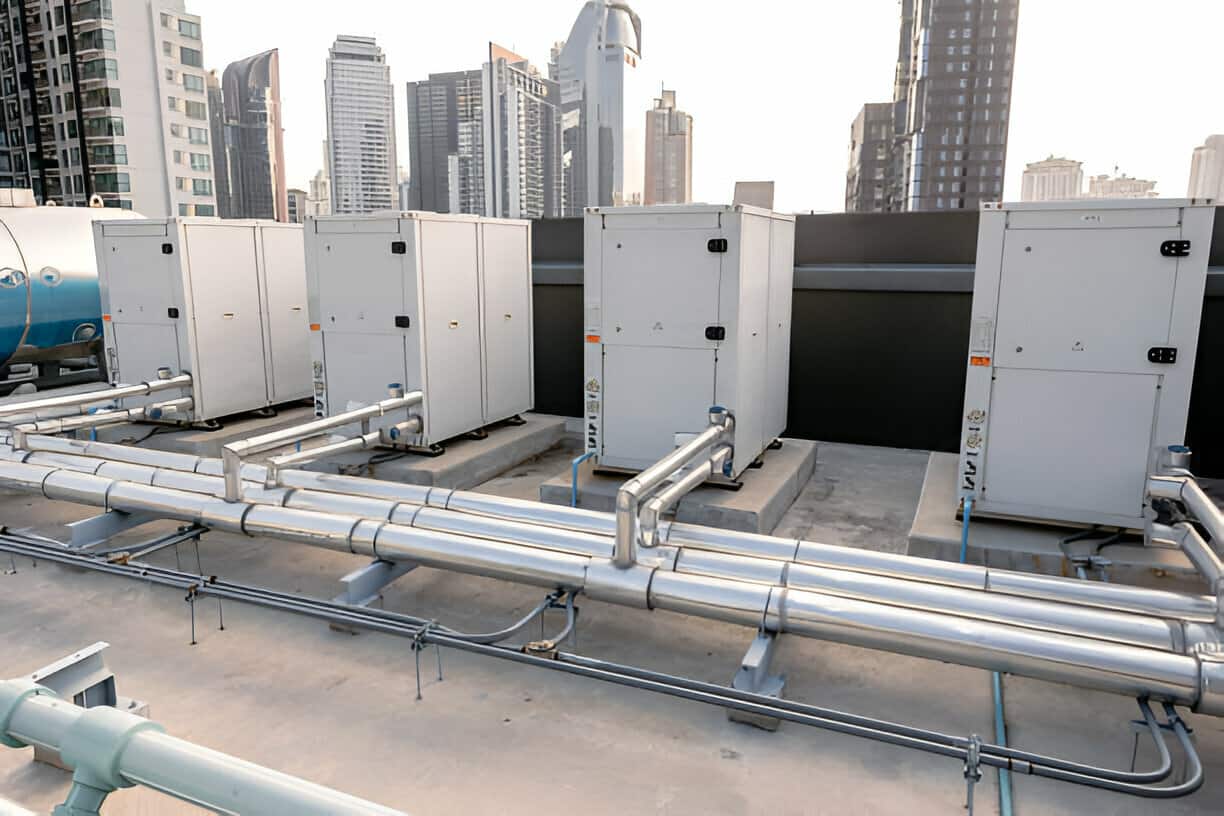
When to Replace vs Repair: Signs of End-of-Life Equipment
Knowing when to replace rather than repair is the crucial first decision. Consider replacement when you see multiple of the following:
- Frequent breakdowns or repeated service calls within a single season.
- Age of equipment: systems near or past the manufacturer expected lifespan often have declining performance.
- Rising energy bills despite regular maintenance, indicating declining efficiency.
- Inconsistent comfort: certain rooms never reach set temperatures or humidity control is poor.
- Expensive major repairs such as compressor or heat exchanger replacement; repeated major fixes add up.
- Safety concerns including persistent carbon monoxide detection or cracked heat exchangers with gas systems.
- Refrigerant issues: older systems using phased-out refrigerants can be costly to charge or repair.
In Ana Verde, CA, where summers can stress cooling equipment and mild winters still require reliable heating, outdated systems are more likely to underperform and cost more to operate. When two or more of the above conditions are present, replacement often provides better value and reliability.
Common HVAC Replacement Issues in Ana Verde, CA
Homeowners commonly face these local challenges:
- Overworked air conditioners during long, warm stretches leading to early compressor failure.
- Inadequate ductwork or poorly sealed ducts that reduce efficiency and comfort.
- Systems sized incorrectly for modern home improvements like new insulation or additions.
- Desire for better humidity control and indoor air quality in coastal or valley microclimates.
Types of Replacement Systems: Comparison
Choosing between system types depends on comfort goals, home layout, and efficiency priorities.
- Central Air Conditioners
- Best for homes with existing ductwork.
- Good cooling capacity for warm Ana Verde summers.
- Can be paired with high-efficiency motors and smart thermostats.
- Heat Pumps (Air-Source and Ductless Mini-Splits)
- Provide both heating and cooling with high efficiency, especially attractive for mild-winter climates like Ana Verde.
- Ductless systems are ideal for additions, older homes without ducts, or room-by-room control.
- Modern heat pumps perform well even on cool nights and can reduce electric use compared with resistance heating.
- Furnaces
- Common where homes use gas for heating; efficient mid- to high-efficiency models are available.
- Often paired with central AC in split systems.
- Less optimal if the goal is to shift away from fossil fuels.
When comparing types, evaluate efficiency ratings, compatibility with existing ductwork, noise levels, warranty coverage, and how each handles local seasonal demands.
How to Select the Right System
A successful HVAC replacement begins with a proper evaluation. Key steps:
- Load Calculation: A manual J load calculation determines correct system size. Oversized units cycle too frequently; undersized units struggle to maintain comfort.
- Duct Assessment: Inspect and, if needed, seal or resize ducts. Poor ducts can negate benefits of a new high-efficiency system.
- Efficiency and Features: Look at seasonal efficiency ratings, variable-speed compressors, two-stage options, and compatibility with zoning and smart thermostats for improved comfort and cost control.
- Fuel Considerations: Decide between electric heat pumps and gas furnaces based on availability, long-term energy goals, and local fuel costs.
- Indoor Air Quality: Consider upgrades like MERV-rated filters, UV air purifiers, or ERV/HRV systems where beneficial.
- Permits and Codes: Ensure proposed equipment meets California and local Ana Verde building codes.
Replacement Project Timeline
A typical replacement follows these stages:
- Initial Assessment and Quote: Inspection, load calculation, and system recommendations.
- Selection and Approval: Finalize equipment, accessories, and schedule.
- Permitting: Obtain required local permits before work begins.
- Equipment Procurement: Ordering new units and parts; lead times vary by model and season.
- Removal and Installation: Old equipment removal, necessary ductwork or electrical upgrades, installation of new system.
- Testing and Commissioning: System startup, refrigerant charge checks, airflow balancing, thermostat setup, and customer walkthrough.
- Disposal and Documentation: Proper disposal of old equipment and completion of permit paperwork.
Many projects are completed within a few days once equipment arrives, though permitting or custom installation needs can extend the timeline.
Removal, Disposal, and Environmental Considerations
California has specific rules for refrigerant handling and appliance recycling. Proper removal includes:
- Safe recovery of refrigerants by certified technicians.
- Recycling or responsible disposal of metal, electronics, and insulation components.
- Documentation required for rebates or permits.
Responsible disposal reduces environmental impact and ensures compliance with state regulations.
Rebates, Incentives, and Financing Options
Homeowners in Ana Verde may qualify for energy efficiency incentives that lower out-of-pocket costs. Common opportunities include:
- Local utility rebates for high-efficiency air conditioners or heat pumps.
- State and federal incentives or tax credits for qualifying energy-efficient installations.
- Manufacturer savings on new equipment.
Financing options commonly used for HVAC replacement:
- Home improvement loans or lines of credit.
- Specialized HVAC financing plans from equipment providers or third parties.
- Energy-focused financing such as property-assessed programs where available.
- Home equity or similar lending products.
When planning, gather rebate and incentive requirements up front to ensure equipment and installation meet program rules.
Benefits of Timely Replacement and Maintenance Tips
Replacing an outdated HVAC system can deliver:
- Better year-round comfort and humidity control in Ana Verde homes.
- Lower energy use and improved indoor air quality.
- Fewer emergency repairs and improved home value.
After replacement, maximize system life with:
- Regular filter changes and annual professional tune-ups.
- Periodic duct inspections and sealing.
- Professional refrigerant and electrical checks before peak seasons.
- Programmable or smart thermostat use for optimized schedules.
Choosing to replace an inefficient or failing system is a decision that delivers predictable comfort and energy performance for years. For homeowners in Ana Verde, CA, the right replacement approach considers local climate stresses, duct condition, and incentives to ensure a system that meets both comfort expectations and long-term efficiency goals.