Automotive Air Conditioning vs Home Air Conditioning



Automotive Air Conditioning vs Home Air Conditioning: How They Work and What Makes Them Different

At Affordable Air and Heating, our days are dedicated to perfecting home comfort through expert air conditioning design and service. Yet, it's a fascinating fact that the journey of air conditioning didn't begin in our living rooms, but rather on the open road. A recent moment of nostalgia in our shop, admiring a classic muscle car, sparked a question we frequently encounter: What truly sets automotive air conditioning apart from the systems that cool our homes? The fundamental answer lies in shared scientific principles, but vastly different engineering approaches tailored for distinct environments and purposes.
The Same Cool Science: Understanding Your Refrigeration Cycle
Despite their differences, both types of systems rely on the same fundamental scientific process to cool spaces. This core refrigeration cycle involves a continuous loop of heat exchange. Both automotive and residential air conditioners operate on the same basic refrigeration principles. Each system uses four main components:
- Compressor: Pressurizes and circulates refrigerant. This component is crucial for initiating the heat exchange process by increasing the refrigerant's temperature and pressure.
- Condenser coil: Releases heat outdoors. As the hot, high-pressure refrigerant flows through this coil, it dissipates heat into the ambient air, causing the refrigerant to condense into a liquid.
- Expansion device: Controls refrigerant flow. This device precisely meters the amount of liquid refrigerant entering the evaporator, ensuring optimal cooling performance.
- Evaporator coil: Absorbs heat to cool air. Inside this coil, the low-pressure liquid refrigerant evaporates, absorbing heat from the indoor air and effectively cooling the space.
Neither system “creates cold.” Instead, they remove heat from the space and move it elsewhere. That same process cools a car cabin and an entire home.
The refrigeration cycle involves changing refrigerant between gas and liquid, pulling heat from the cabin or living space and moving it outside. While the core loop is identical, the specific components and their packaging differ significantly. For instance, cars often use orifice tubes, while homes use thermostatic expansion valves for more precise control.
Refrigerants also differ: cars have moved from R-12 to R-134a and now R-1234yf, while many residential systems use R-410A. These choices are driven by environmental regulations and impact service procedures.
Built for the Road: What Makes Your Car's AC Unique
Automotive AC systems face unique challenges due to their environment and purpose. They are specifically designed to meet the demands of a moving vehicle. Car air conditioning systems are engineered for:
- Rapid temperature drop: These systems are designed to quickly cool a small, enclosed space, providing immediate comfort to occupants.
- Compact spaces: Components are miniaturized and integrated tightly within the vehicle's engine bay and dashboard, optimizing space utilization.
- Constant vibration: Automotive AC units are built to withstand continuous shaking and movement inherent to a vehicle in operation, ensuring durability.
- Extreme under-hood heat: The system must function reliably despite the high temperatures generated by the engine, requiring robust materials and design.
- Changing engine speeds: The compressor's performance adapts to varying engine RPMs, delivering consistent cooling whether the car is idling or cruising at high speeds.
Automotive A/C systems use smaller components, flexible hoses, and compressors designed to function under motion and fluctuating loads. Most automotive compressors are belt-driven by the engine, meaning cooling can vary with engine load and idle speed. This design prioritizes quick cooling and robustness in a harsh, dynamic environment. Their goal is fast comfort and durability, not long-term efficiency.
Designed for Your Home: The Residential AC Difference
In contrast to the dynamic needs of a vehicle, residential AC units serve a distinct purpose. They are optimized for stationary, long-term comfort and efficiency within a dwelling. Home air conditioning systems are built for a completely different mission:
- Continuous operation: Residential units are designed to run for extended periods, maintaining a consistent indoor temperature throughout the day and night.
- Energy efficiency: These systems prioritize minimizing electricity consumption over time, leading to lower utility bills for homeowners.
- Even temperature control: Advanced thermostats and zoning capabilities ensure that all areas of a home receive consistent cooling, eliminating hot and cold spots.
- Quiet performance: Components are often isolated or designed to operate with minimal noise, contributing to a peaceful indoor environment.
- Whole-home airflow: Extensive ductwork distributes conditioned air evenly across multiple rooms and floors, ensuring comprehensive comfort.
Residential HVAC systems use larger condensers, rigid copper lines, carefully designed duct systems, and advanced controls to manage airflow, humidity, and energy use. They run on electricity, providing steady compressor speed and consistent cooling. Components are typically mounted outside or in mechanical closets with easier access for repairs and inspections. Their goal is consistent comfort, efficiency, and system longevity.
Your Quick Guide to AC Differences
Automotive A/C systems are compact, vibration-tolerant, and designed for quick cool-downs. Residential air conditioning systems are larger, stationary, and engineered for sustained performance, proper airflow, and energy savings. Same refrigeration science. Completely different engineering.
Why This Matters for Your Home Comfort and Wallet
Achieving optimal home comfort and efficiency requires meticulous planning and execution. Professional HVAC installation ensures every aspect of your system is tailored for peak performance. Because home systems are built for long-term comfort, proper design is critical. That’s why professional HVAC installation focuses on:
Ensuring Your Home System is Perfectly Designed
- Correct system sizing: An appropriately sized system ensures efficient cooling without overworking the unit or wasting energy.
- Ductwork design: Properly designed and sealed ductwork is essential for efficient air distribution and preventing energy loss throughout the home.
- Airflow balancing: Balancing airflow ensures that each room receives the right amount of conditioned air, preventing uncomfortable temperature variations.
- Static pressure control: Managing static pressure within the duct system optimizes fan performance and prevents strain on the HVAC unit.
- Energy efficiency ratings (like SEER): Understanding SEER ratings helps homeowners choose systems that offer significant long-term energy savings.
- Preventative maintenance: Regular maintenance extends the lifespan of the system and ensures it operates at peak efficiency, saving money on repairs and energy costs.
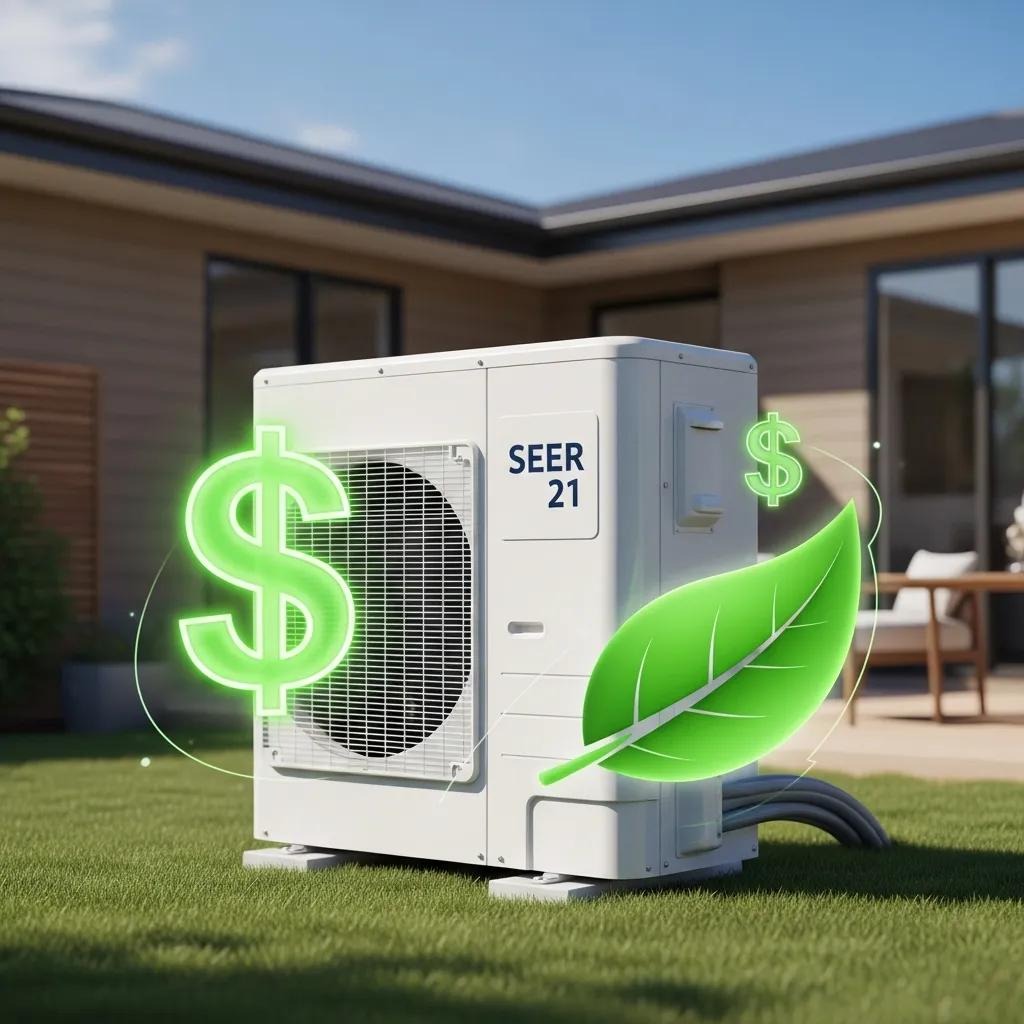
Your home air conditioner is not just a machine — it’s a comfort system. When installed and maintained properly, it protects your comfort, indoor air quality, and energy costs. Home AC efficiency is measured by SEER (Seasonal Energy Efficiency Ratio), reflecting seasonal performance, which is crucial for evaluating long-term savings.
Keeping Your Home AC Running Smoothly: The Importance of Maintenance
Regular maintenance, including filter changes, coil cleanings, and refrigerant checks, is essential for residential systems to maintain efficiency and extend equipment life. For Southern California's climate, systems are sized for high-temperature performance, often incorporating variable-speed compressors and better filtration for comfort and indoor air quality during heat waves.
The Affordable Air and Heating Difference
Our commitment at Affordable Air and Heating is to deliver unparalleled comfort solutions for your home. We achieve this by focusing on key areas that guarantee system excellence and customer satisfaction.
At Affordable Air and Heating, we specialize in residential air conditioning and heating systems designed for the Antelope Valley climate. Our team focuses on:
How We Ensure Your Home's Optimal Comfort
- Proper system sizing: We ensure your system is perfectly matched to your home's specific needs, guaranteeing optimal performance and efficiency.
- Long-term reliability: Our installations and services are geared towards maximizing the lifespan and consistent operation of your HVAC equipment.
- Energy-efficient upgrades: We offer modern solutions that significantly reduce your energy consumption, leading to substantial savings on utility bills.
- Professional installation: Our certified technicians perform installations with meticulous attention to detail, adhering to the highest industry standards.
- Ongoing service and maintenance: We provide comprehensive maintenance plans to keep your system running smoothly, preventing costly breakdowns and extending its life.
We are experienced and certified who provide clear communication and honest pricing. We also offer financing options and available rebates to make upgrades affordable, helping homeowners invest in systems that lower long-term energy costs. Whether it’s a classic car or your family’s home, cooling systems deserve expert care — and your home deserves the highest level of attention.
Affordable Air and Heating – Exceptional Service at Affordable Prices
Knowing the differences between automotive and home air conditioning helps you choose the right service and maintenance for each. Recognize how design, refrigerants, and upkeep affect performance and costs, and rely on professional HVAC help to keep systems running efficiently. If you’d like assistance or an estimate, explore our services and let our team help you stay comfortable.
Schedule Your AC Service Today!