Navigating High Desert Temperature Swings: When Your HVAC System Struggles
Before the October first cold snap arrives in the high desert, reviewing essential home maintenance tips and troubleshooting is the best way to prepare your property for sudden, drastic weather shifts. Fall in Lancaster and the surrounding areas is beautiful, but at Affordable Air and Heating, we know firsthand that it brings a unique challenge for homeowners. You might find yourself needing powerful cooling during an 80-degree afternoon, only to shiver through a 40-degree night that demands immediate heating. Our technicians frequently see how this rapid transition places immense stress on equipment that has already worked hard all summer.
During this chaotic weather window, many homeowners notice their cooling equipment struggling to keep up. The thermostat might read 78 degrees while set to 72, and the outdoor unit hums endlessly without providing relief. Later that same week, switching to heating mode might produce an alarming burning odor that fills the hallways. These dual symptoms cause understandable anxiety, forcing a difficult decision: do you shut down the system and suffer through the temperature swing, or let it run and risk permanent damage?
Understanding how your air conditioning systems handle summer wear and tear is the first step in diagnosing these fall performance issues. In our years serving the Lancaster high desert, we've found that your equipment rarely gets a break. When metal components expand in the afternoon heat and contract in the evening cold, minor issues that developed in July can suddenly turn into major failures in October.
The Impact of Rapid Cycling
When you switch between cooling and heating in the same 24-hour period, your system undergoes rapid cycling. This constant shifting can expose hidden vulnerabilities in your ductwork and electrical connections. Our maintenance crews regularly observe what happens behind the scenes during these temperature swings:
• Thermal expansion: Metal ductwork expands and contracts, which can loosen seals and allow conditioned air to escape into your attic.
• Electrical fatigue: Capacitors and relays work double-time to start and stop the compressor and blower motor repeatedly.
• Humidity shifts: The sudden change from blowing cold air to blowing hot air can cause condensation inside the unit, trapping airborne dust.
By recognizing these environmental stressors, you can better understand why your system might act up just as the seasons change. Being proactive during this window is the key to maintaining a comfortable home.
The Culprit Behind Your AC Running But Not Cooling
If your system is running constantly but the house remains warm, our team usually traces the root cause back to the heavy Antelope Valley winds. Throughout the long summer, these powerful gusts drive fine high-desert dust directly into your outdoor condenser unit and indoor ductwork. Over months of continuous operation, this microscopic debris builds up on critical components, slowly choking the life out of your cooling cycle.
The problem: Your AC runs for hours on end, driving up energy bills, but the indoor temperature barely drops. The air coming from your vents feels lukewarm at best, and the system never seems to reach the temperature set on your thermostat.
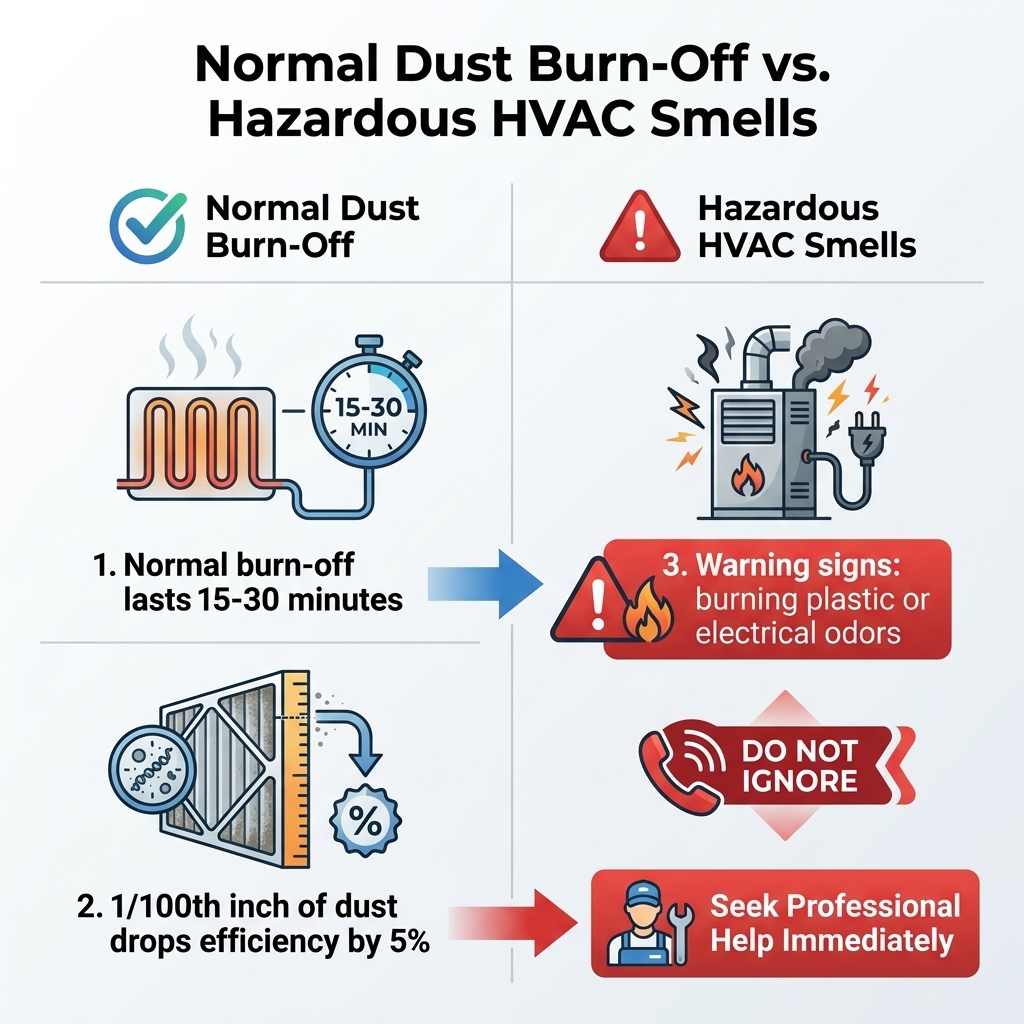
The cause: Fine desert dust accumulates on the indoor evaporator coil. This coil is responsible for absorbing heat from the air inside your home. A buildup of just 1/100th of an inch of dirt on an evaporator coil reduces system efficiency by 5%. This layer of dust acts like an insulating blanket, preventing the refrigerant inside the coil from absorbing heat. As a result, the coil drops below freezing, turning the condensation on it into a solid block of ice. Simultaneously, clogged air filters restrict airflow, starving the system of the air it needs to function properly.
The solution: Restoring proper airflow is critical. While changing your air filter is a great first step, a heavily soiled indoor coil requires professional attention. In many cases, comprehensive HVAC solutions are necessary to safely clear out months of desert dust, clean the delicate aluminum fins, and restore proper heat transfer without damaging the equipment. Recently, a local homeowner reached out to our Affordable Air and Heating team when their AC went out unexpectedly on a hot afternoon due to severe buildup. One of our technicians arrived early, diagnosed the airflow issue quickly, and solved the problem within twenty minutes so the air was blowing cold again.
Comparing Clean vs. Dirty System Performance
• Evaporator Coil — Normal Clean Operation: Absorbs heat rapidly, drips water into pan — Heavy Dust Accumulation: Insulated by dirt, freezes into a block of ice
• Air Filter — Normal Clean Operation: Allows strong, unrestricted airflow — Heavy Dust Accumulation: Bows inward, forcing the blower motor to strain
• Outdoor Condenser — Normal Clean Operation: Expels heat efficiently into the yard — Heavy Dust Accumulation: Traps heat inside, causing compressor to overheat
• Energy Consumption — Normal Clean Operation: Cycles on and off predictably — Heavy Dust Accumulation: Runs continuously, driving up utility costs
Electrical and Mechanical Warning Signs in Your AC
Sometimes the issue goes beyond simple dust accumulation. If your indoor vents are blowing air but the air is completely unconditioned, you may be dealing with a mechanical or electrical failure. High desert summers put immense strain on electrical components, and by October, our service vans are frequently dispatched to replace parts that have been hanging on by a thread and finally give out.
When troubleshooting, there are specific warning signs that indicate a deeper failure. Here is a step-by-step look at what might be happening when your system runs without cooling:
1. The outdoor unit remains silent: If you hear the indoor fan blowing but the outdoor unit is completely quiet, the compressor is not engaging. This often points to electrical wear. The contactor is a small mechanical switch that bridges high-voltage electricity to the compressor. Recognizing the symptoms of AC contactor failure can explain why the system sounds like it is working indoors but only blows warm air.
2. The system hisses or bubbles: Low refrigerant levels from slow, microscopic leaks will cause the system to run non-stop. Refrigerant is the lifeblood of the cooling process; without enough of it, the system cannot absorb heat, no matter how long it runs.
3. The outdoor fan hums but does not spin: This usually indicates a failed dual-run capacitor. The capacitor acts like a battery, providing the initial jolt of energy needed to start the fan motor and compressor. When it fails, the motors overheat and shut down to protect themselves.
4. The thermostat clicks but nothing happens: This points to a communication failure between the thermostat and the control board, often caused by frayed wiring or a blown low-voltage fuse.
While homeowners should always check their thermostat settings and replace a dirty filter, you must never attempt DIY electrical inspections on internal components. High-voltage HVAC equipment carries serious risks, and opening the service panel should always be left to a licensed professional.
Transitioning to Heat: Why Your Furnace Smells Like Burning
As the October nights drop into the 40s, Lancaster homeowners finally switch their thermostats from cooling to heating. But this transition often brings a terrifying symptom: a strong, pungent burning odor spreading through the vents. Every fall, our office receives panicked calls about this smell, leading many to wonder if their house is in danger.
The problem: You turn on the heat for the first cold night of the season, and within minutes, the house smells like something is on fire. It is incredibly common to search why a furnace smells like burning when turned on during this specific time of year.
The cause: The exact same fine desert dust that clogged your AC coil all summer has also been settling on your furnace's heat exchanger. Because the furnace sits idle from April through September, a thick layer of household dust, pet dander, and high-desert silt accumulates on the metal surfaces. When the gas burners ignite or the electric heating elements glow for the first time, they rapidly heat up to hundreds of degrees. This instantly incinerates the accumulated dust layer, creating a distinct burning smell that the blower motor then pushes into every room of your house.
The solution: In most cases, the solution is simply patience. Normal dust burn-off typically dissipates within 15 to 30 minutes of continuous operation. Open a few windows to help ventilate the home, and let the system run. However, if the smell resembles melting plastic, burning rubber, or electrical ozone, or if it lasts longer than half an hour, shut the system down immediately at the thermostat. These are signs of a failing motor or melting wire casing, which require immediate professional intervention.
Professional Diagnostics vs. Normal Wear and Tear
Deciding when to wait out a strange symptom and when to call for help is one of the most stressful parts of homeownership. Differentiating between a brief, 15-minute dust burn-off and a persistent, hazardous electrical smell is critical for your safety. Providing affordable, transparent diagnostics is how our team at Affordable Air and Heating eases homeowner anxiety over startup smells or late-season AC underperformance.
The danger of letting an AC run continuously without cooling cannot be overstated. When an air conditioner runs non-stop with restricted airflow or low refrigerant, the compressor—the most expensive component in the entire system—overheats. We often see what starts as a simple dirty filter or a minor dust issue quickly escalate into total compressor failure, turning a minor maintenance visit into a major replacement project.
We recently helped another customer who faced a similar situation during a weekend emergency when their AC unit stopped working entirely due to a bad fan motor that had been straining against blocked airflow. Our technicians came out on the weekend, ordered the necessary part, and had the problem diagnosed and fixed by Monday morning. Catching these issues early prevents weekend emergencies.
When to Shut the System Down
If you are ever in doubt, turning off the system at the thermostat is the safest immediate action. You should shut down your equipment and call for diagnostics if you notice:
• Loud metal-on-metal grinding: This indicates unlubricated or failing motor bearings.
• Tripping breakers: If your HVAC system trips the circuit breaker more than once, do not reset it again. This is a hard electrical short.
• Ice on the refrigerant lines: If you see thick white ice building up on the copper pipes outside or on the indoor unit, the system must be turned off to thaw before any repairs can be made.
We understand that fall breakdowns are never planned. Exploring flexible HVAC financing options can make unexpected repairs much less stressful. Additionally, many utility companies offer general rebates or incentive programs for upgrading to high-efficiency equipment; always check with your local provider to see if you qualify for programs that can help offset the cost of a necessary replacement.
Frequently Asked Questions About Fall HVAC Troubleshooting
Why is my AC running but not blowing cold air?
This is usually caused by restricted airflow from a dirty filter, frozen evaporator coils, or a malfunctioning outdoor compressor. When dust builds up on the indoor coil, it acts as an insulator, preventing the system from absorbing heat. If the outdoor unit isn't running at all, an electrical component like a capacitor or contactor may have failed. Always check your filter first before calling for service.
Why does my furnace smell like burning dust?
Dust settles on the heat exchanger over the summer and burns off when the system is activated for the first time in the fall. Because the furnace sits completely unused for months, normal household and desert dust coats the heating elements. When these elements reach operating temperature, the dust is instantly incinerated, pushing that distinct smell through your vents.
How long should a furnace smell like burning?
Normal burn-off lasts 15 to 30 minutes. The smell should steadily decrease in intensity during this time as the dust is cleared away. If the odor persists longer than half an hour, or if it smells sharply of burning plastic, melting rubber, or electrical wiring, shut the system down immediately at the thermostat and call a professional.
What should I check before calling a professional for an AC not cooling?
Verify the thermostat is set to 'cool' and that the temperature is set lower than the current room temperature. Next, check and replace the indoor air filter if it is visibly dirty or clogged. Finally, ensure the outdoor unit is clear of weeds, debris, and yard furniture, and check that your electrical breaker hasn't tripped. If these basic checks don't solve the problem, you need professional diagnostics.
How often should Lancaster homeowners change their air filters during the fall?
Due to high desert winds and dust, we recommend checking filters monthly and replacing them at least every 30 to 90 days. Homes with multiple pets, larger families, or those located near open desert fields may need to change standard 1-inch filters every three to four weeks. A clean filter is the single best defense against frozen coils and overworked blower motors.
Restore Your Comfort With Expert Local Guidance
Whether you are dealing with an air conditioner that refuses to cool the house during an unseasonably warm afternoon, or a furnace that produces alarming smells on a chilly night, having clear guidelines helps protect your home. The October transition in the high desert is tough on equipment, but you don't have to guess whether a symptom is normal wear and tear or a serious hazard.
Scheduling a thorough inspection before winter fully sets in ensures your system is safe, efficient, and ready to handle the freezing nights ahead. Don't let a minor dust issue turn into a major compressor failure. Reach out to Affordable Air and Heating for professional AC repair services to get transparent, reliable diagnostics today. Getting answers now provides the peace of mind you need to stay comfortable all season long.