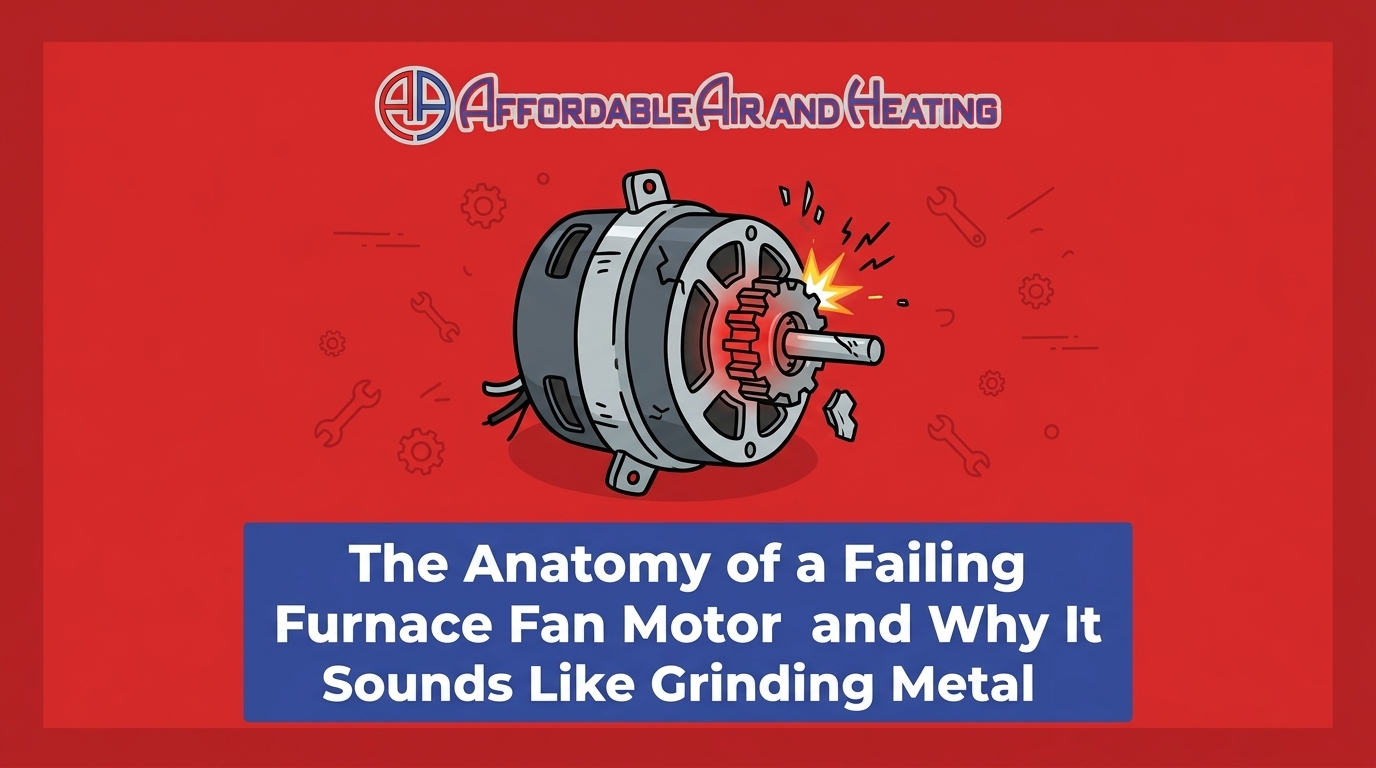
The Anatomy of a Failing Furnace Fan Motor and Why It Sounds Like Grinding Metal
Turning on your furnace only to hear a loud, metal-on-metal scraping noise is a serious warning sign. Discover what causes blower motor bearings to fail and why immediate action is required.
Programmable vs. Manual Thermostats: Which Survives the High Desert Fall Better?
High desert temperature swings force your HVAC to work overtime. See how upgrading from a manual to a programmable thermostat can reduce system strain and improve daily comfort.
What to Do When Your Heater Blows Cold Air on the First Frost of the Year
Waking up to a freezing home in October forces a quick decision about your system. Understand why safety lockouts occur after summer inactivity and what steps to take next.
Demystifying Flat-Rate HVAC Pricing: Why We Explain Every Repair Cost Upfront
An unexpected HVAC breakdown during fall temperature shifts is stressful enough. See how upfront, fixed-cost repair quotes completely eliminate the anxiety of open-ended hourly billing.
Why Your AC and Heater Might Both Run on the Same Day During Lancaster's October Shift
Freezing mornings and 85-degree afternoons make the October transition tough on HVAC systems. Here is exactly how to set your thermostat to handle these drastic swings without causing equipment wear.
How Antelope Valley's Extreme Temperature Swings Stress Your HVAC's Contactor
Lancaster's rapid 40-degree daily temperature shifts cause severe wear on electrical components. Replacing a pitted contactor this fall prevents a sudden loss of heat on freezing nights.
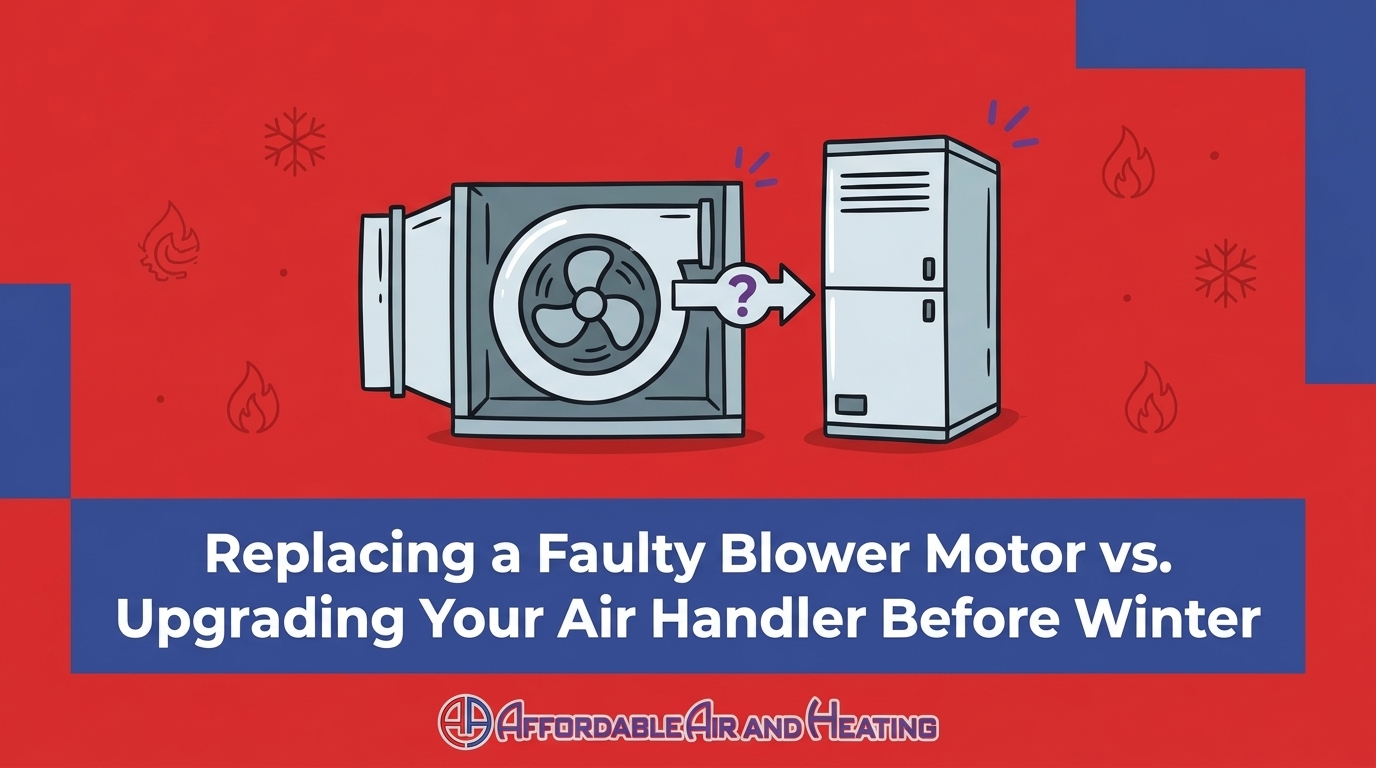
Replacing a Faulty Blower Motor vs. Upgrading the Entire Air Handler Before Winter
An October heating inspection often reveals hidden wear. Evaluate a localized blower motor repair against a full system upgrade to ensure reliable winter warmth.
The Mechanical Truth About Air Duct Cleaning After a Lancaster Dust Storm
Desert winds force ultra-fine sand past standard filters, clogging your return plenum. Find out when severe buildup requires professional mechanical cleaning before winter.
Why We Dispatch Techs on Sundays for Lancaster HVAC Emergencies Without Hidden Fees
A sudden heating failure on a chilly weekend shouldn't mean waiting until Monday or paying exorbitant rates. See how our local dispatch logistics handle Sunday emergencies promptly and transparently.