How Often Should a Heat Pump Be Serviced in a Hot Inland California Climate
If you're wondering how often should a heat pump be serviced in a hot inland California climate, here's the short answer:
Twice a year — once in spring and once in fall.
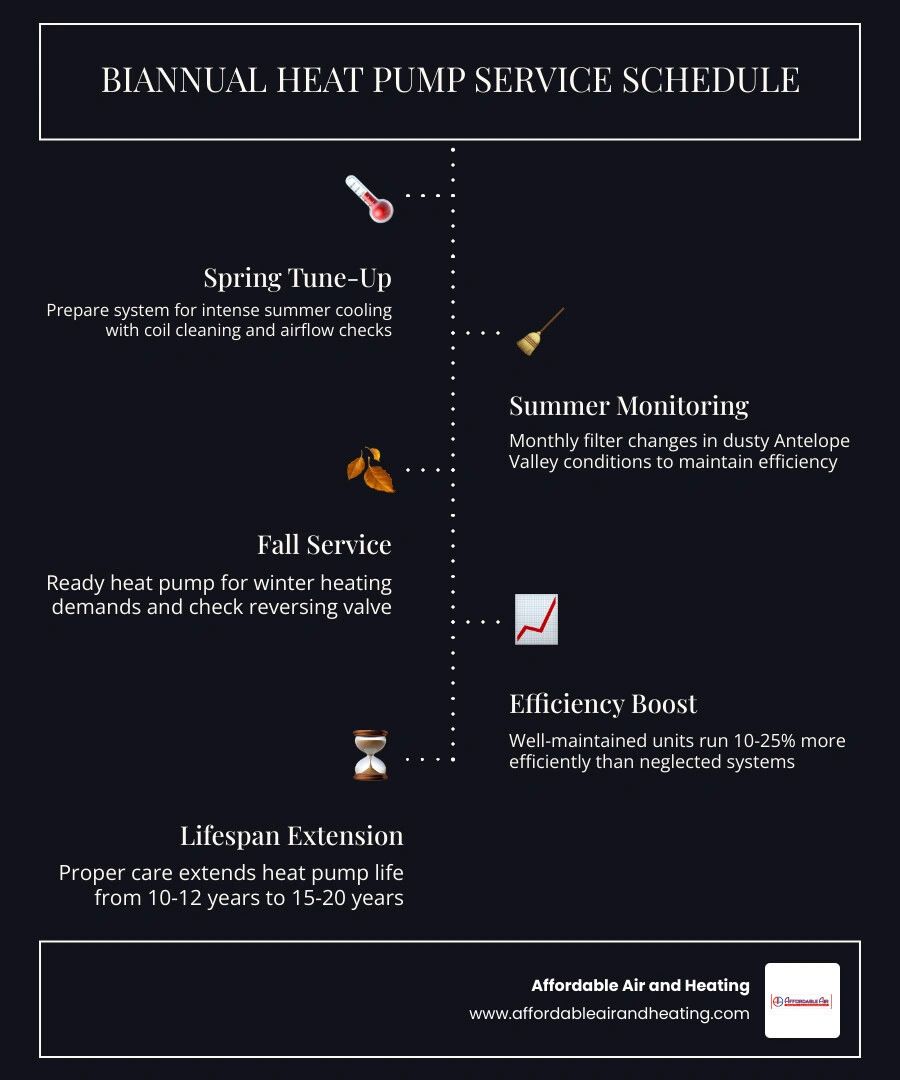
- Spring (March–April): Prepares your system for the intense summer cooling season
- Fall (October–November): Gets your heat pump ready for winter heating demands
- Between visits: Replace filters every 1–3 months (monthly in dusty Antelope Valley conditions)
This biannual schedule applies to areas like Palmdale, Lancaster, San Bernardino, and Murrieta — anywhere inland California heat pushes systems hard for months at a time.
In the Antelope Valley and surrounding inland valleys, heat pumps don't get a break. Unlike traditional air conditioners that sit idle in winter, or furnaces that rest all summer, a heat pump runs year-round. That constant workload — combined with extreme summer temperatures, dry air, and heavy dust — puts far more stress on your system than most homeowners realize.
The good news is that regular maintenance makes a measurable difference. A well-maintained heat pump can operate 10% to 25% more efficiently than a neglected one, and proper care can extend your system's lifespan from roughly 10–12 years up to 15–20 years. For a home in the Antelope Valley facing 100°F+ summers, skipping service isn't just inconvenient — it can mean a breakdown on the hottest day of the year.
Determining How Often Should a Heat Pump Be Serviced in a Hot Inland California Climate
When we look at the specific demands of our local geography, the standard "once a year" advice often falls short. Because we live in a region where the thermometer regularly clears 100°F in July and drops toward freezing in January, your heat pump is essentially the "marathon runner" of your home.
The biannual schedule is the gold standard for several reasons:
- Preparation for Peak Usage: Scheduling a Spring Heat Pump Tune Up in Palmdale ensures that when the first heatwave hits, your system is already clean and charged.
- Year-Round Wear and Tear: Traditional systems rest for half the year. A heat pump switches its reversing valve and keeps working. This double duty means mechanical parts, like the blower motor and compressor, accumulate wear twice as fast.
- Seasonal Demands: In the fall, we shift our focus to the heating cycle and the defrost board. Making sure the system can switch modes effectively prevents it from "freezing over" when the desert nights get chilly.
If you are looking for a Heat Pump Contractor in Canyon Country, CA, it is vital to choose a team that understands these inland nuances. A technician from the coast might not realize how quickly Palmdale dust can choke a condenser coil.
Why Biannual Maintenance is Essential for Inland Valley Homes
Living in the Antelope Valley or Santa Clarita means dealing with a climate that is vastly different from Los Angeles or the beach cities. Our air is drier, dustier, and subject to more extreme temperature swings.
| Feature | Well-Maintained Heat Pump | Neglected Heat Pump |
|---|---|---|
| Energy Efficiency | 300%–400% (Optimal) | 10%–25% Lower |
| Average Lifespan | 15–20 Years | 10–12 Years |
| Repair Frequency | Low (80% fewer breakdowns) | High (Frequent emergency calls) |
| Energy Costs | $800–$1,200 Annually | $1,200–$1,800+ Annually |
| Airflow Quality | High (Clean filters/coils) | Low (Dust & allergen buildup) |
To Optimize Heat Pump Performance, you have to respect the SEER (Seasonal Energy Efficiency Ratio) and HSPF (Heating Seasonal Performance Factor) ratings. These ratings are calculated based on a clean system. When dirt builds up on the coils, your 16 SEER unit might actually be performing like a 12 SEER unit, costing you significantly more on your monthly Southern California Edison or PG&E bill.
Furthermore, when comparing Heat Pumps vs Traditional Systems, heat pumps are highly sensitive to refrigerant levels. A small leak in a gas furnace doesn't happen (because it uses combustion), but a small refrigerant leak in a heat pump can cause the whole system to struggle, eventually leading to a catastrophic compressor failure.
Impact of Arid Weather on How Often Should a Heat Pump Be Serviced in a Hot Inland California Climate
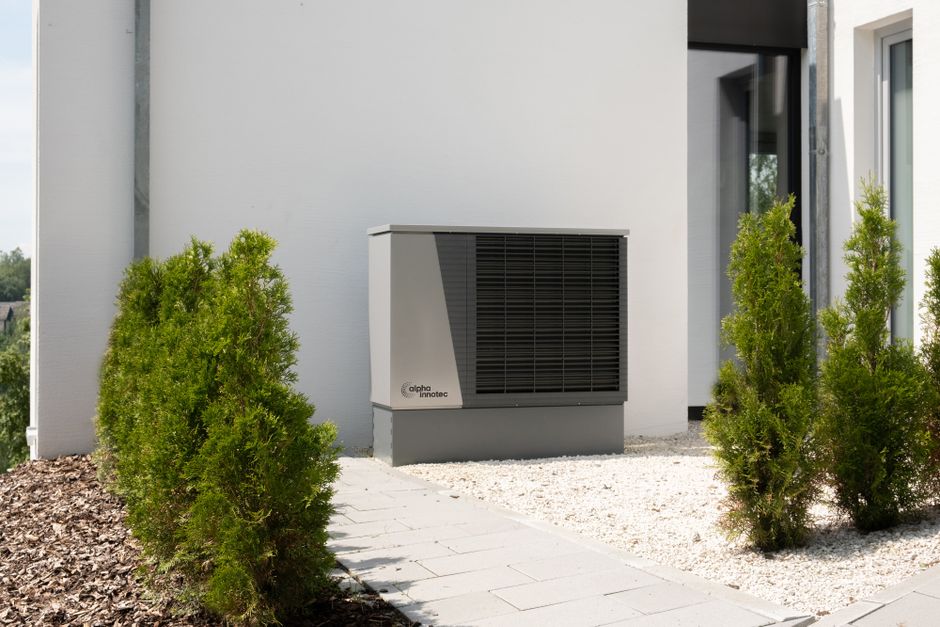
Our inland valleys are beautiful, but they are also incredibly dusty. High winds in Lancaster and Palmdale carry fine particulate matter that acts like a blanket for your outdoor unit.
When dust coats the outdoor coils, it creates "coil restriction." This means the heat pump can’t dump heat outside during the summer or pull heat in during the winter. Your system has to run longer and work harder to achieve the same temperature, leading to Solving Heat Pump Airflow Issues that often require professional intervention. In these arid conditions, a professional cleaning twice a year is the only way to ensure the air can flow freely.
Professional Service Checklist and Warning Signs
When we come out for a professional service visit, we aren't just looking at the air filter. A comprehensive inland California service checklist includes:
- Refrigerant Charge: Checking for leaks and ensuring the levels are exact. Heat pumps are "critically charged," meaning even a few ounces too much or too little can tank efficiency.
- Electrical Inspection: Tightening connections that can loosen due to the vibration of year-round operation.
- Reversing Valve Test: This is the heart of the heat pump. We ensure it switches between heating and cooling modes without sticking.
- Motor Lubrication: Reducing friction in the blower and fan motors to prevent overheating during 100-degree days.
- Thermostat Calibration: Ensuring your home is actually the temperature the screen says it is.
- Coil Cleaning: Using specialized, eco-friendly cleaners to remove the baked-on desert dust.
Addressing Heat Pump Issues in Canyon Country early is much more cost-effective than waiting for a total system failure. By catching a worn capacitor or a fraying belt during a scheduled visit, we Ensure Efficient Heat Pump Performance for the months ahead.
Signs You Need Help Beyond the Standard How Often Should a Heat Pump Be Serviced in a Hot Inland California Climate Schedule
Even with a biannual schedule, things can happen. You should call for service immediately if you notice:
- Unusual Noises: Rattling, screeching, or grinding. These are often signs of a motor bearing failing or a loose component.
- Short Cycling: If the system turns on and off every few minutes, it’s likely overheating or has a sensor issue.
- Ice Buildup: If you see ice on the outdoor unit in the middle of a Lancaster summer, you have a serious airflow or refrigerant problem. Knowing Heat Pump Freezes Over: What to Do can save your compressor from burning out.
- Weak Airflow: If the air coming out of your vents feels like a faint breeze, your blower motor or ductwork needs attention.
- Rising Energy Usage: A sudden spike in your bill without a change in weather is a "silent" warning sign that the system is struggling.
Homeowner Maintenance Tasks for Year-Round Efficiency
While we handle the technical side, there are several things you can do to support your system. Think of professional service as a doctor's checkup and homeowner maintenance as daily exercise and a good diet.
- Filter Changes: This is the single most important task. In the Antelope Valley, we recommend checking your filter every month. If you have pets or live near a construction site, you’ll likely need to replace it monthly. Use high-quality pleated filters (MERV 8 to 11) for the best balance of filtration and airflow.
- Outdoor Clearance: Keep a two-foot "dead zone" around your outdoor unit. Trim back desert scrub, bushes, and weeds. Never store garden tools or boxes against the unit.
- Debris Removal: After a high-wind event, check the outdoor unit for tumbleweeds, leaves, or plastic bags that may have been sucked against the coils.
- Register Cleaning: Vacuum your return and supply vents to keep dust from recirculating into the system.
If you are just starting your journey with these systems, Heat Pump Installation in Palmdale, CA should always include a walkthrough of these basic tasks. Optimal Heat Pump Selection isn't just about the brand; it's about choosing a system you feel comfortable maintaining between our visits.
Frequently Asked Questions
How often should I change filters in a dusty inland climate?
In areas like Lancaster or Palmdale, you should check your filters every 30 days. While some pleated filters claim to last 90 days, the high dust volume in our inland valleys often clogs them much sooner. A clogged filter can reduce airflow by 50%, forcing your heat pump to work twice as hard.
Does a new heat pump still need twice-yearly service?
Yes! In fact, skipping professional service can void your manufacturer's warranty. Most brands, like Lennox, Carrier, or Trane, require proof of annual or biannual professional maintenance to honor parts warranties. Beyond the warranty, preventative care ensures your new investment doesn't develop "bad habits" like refrigerant leaks or electrical arcing early in its life.
How long do heat pumps last in the Antelope Valley?
With the extreme heat and year-round operation, a neglected heat pump in the Antelope Valley may only last 10 years. However, with biannual professional servicing and regular filter changes, we consistently see systems reach the 15-to-20-year mark. The "extreme heat wear" is manageable as long as the system is kept clean and lubricated.
Conclusion
Determining how often should a heat pump be serviced in a hot inland California climate is the first step toward a comfortable, energy-efficient home. By committing to a biannual schedule—once in the spring and once in the fall—you protect your family from the sweltering desert heat and the biting winter nights.
At Affordable Air and Heating, we’ve been family-owned since 1996, serving our neighbors across the Antelope Valley, Santa Clarita, and beyond. We understand that home maintenance can feel like a chore, which is why we focus on providing affordable, energy-efficient solutions that take the stress out of HVAC care. Whether you are in Palmdale, Lancaster, or Saugus, our team is ready to ensure your heat pump is in peak condition.
Don't wait for a 110-degree day to find out your system is struggling. Schedule your professional heat pump service today and enjoy the peace of mind that comes with expert care.