Why Antelope Valley Wind and Dust Are a Real Threat to Your Outdoor AC Unit
If you're wondering how to protect your outdoor AC unit from Antelope Valley wind and dust, here's the short answer:
- Install a windbreak or barrier on the upwind side of your unit to deflect debris and blowing sand
- Replace air filters monthly — more often during peak wind events
- Clear debris from around the condenser after every dust storm
- Schedule bi-annual professional inspections in spring and fall
- Seal gaps around ductwork and vents to stop dust from entering your system indoors
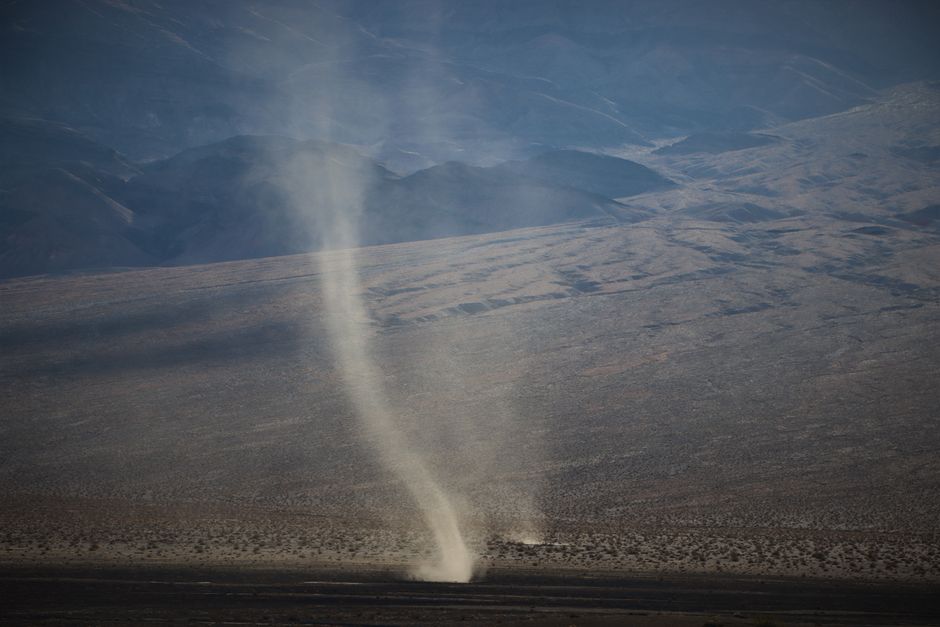
Living in the Antelope Valley means your outdoor AC unit faces conditions that most HVAC equipment was never designed to handle alone. Dust storms here can drop visibility below a quarter mile, pushing fine particulate matter deep into condenser coils, fan motors, and electrical components. Add the region's relentless winds and scorching summer heat, and your AC unit is working overtime in one of the harshest climates in California. Without the right protection and maintenance routine, that wear adds up fast — cutting efficiency, raising your energy bills, and shortening the life of your system.
How to Protect Your Outdoor AC Unit from Antelope Valley Wind and Dust

In the Antelope Valley, wind isn't just a breeze; it’s a delivery system for sand, silt, and those iconic (but annoying) tumbleweeds. When we talk about how to protect your outdoor AC unit from Antelope Valley wind and dust, the first line of defense is physical shielding.
Strategic Wind Barriers
Installing a physical barrier is one of the most effective ways to shield your condenser from high-velocity winds. However, you can't just wrap the unit in a tarp and call it a day. Your AC needs to "breathe" to release heat. We recommend a slatted fence, a lattice screen, or a masonry wall positioned on the side of the unit that faces the prevailing winds.
The key is to maintain at least 24 to 36 inches of clearance between the unit and the barrier. This allows for proper airflow while significantly reducing the amount of "sandblasting" your unit takes during a May 2026 dust storm.
Landscaping as a Shield
If you prefer a more natural look, drought-tolerant landscaping can act as a living windbreak. Plants like desert willow or tall ornamental grasses can filter out larger debris. Just be careful: in our high-desert climate, dry vegetation can become a fire hazard or contribute to the debris problem if not maintained. Always keep the immediate area around the concrete pad clear of weeds and loose soil.
Compliance with Local Regulations
It’s also important to note that the Antelope Valley Air Quality Management District (AVAQMD) has specific rules regarding dust control. Rule 403, for instance, requires homeowners and businesses to prevent "fugitive dust" from becoming airborne. By stabilizing the soil around your HVAC unit with gravel or crushed rock, you aren't just protecting your equipment—you’re helping our community stay in compliance with PM-10 (particulate matter) standards. If you need help ensuring your setup meets local needs, our team providing AC Maintenance Lancaster CA can evaluate your outdoor space.
Essential Maintenance for High-Wind Desert Conditions
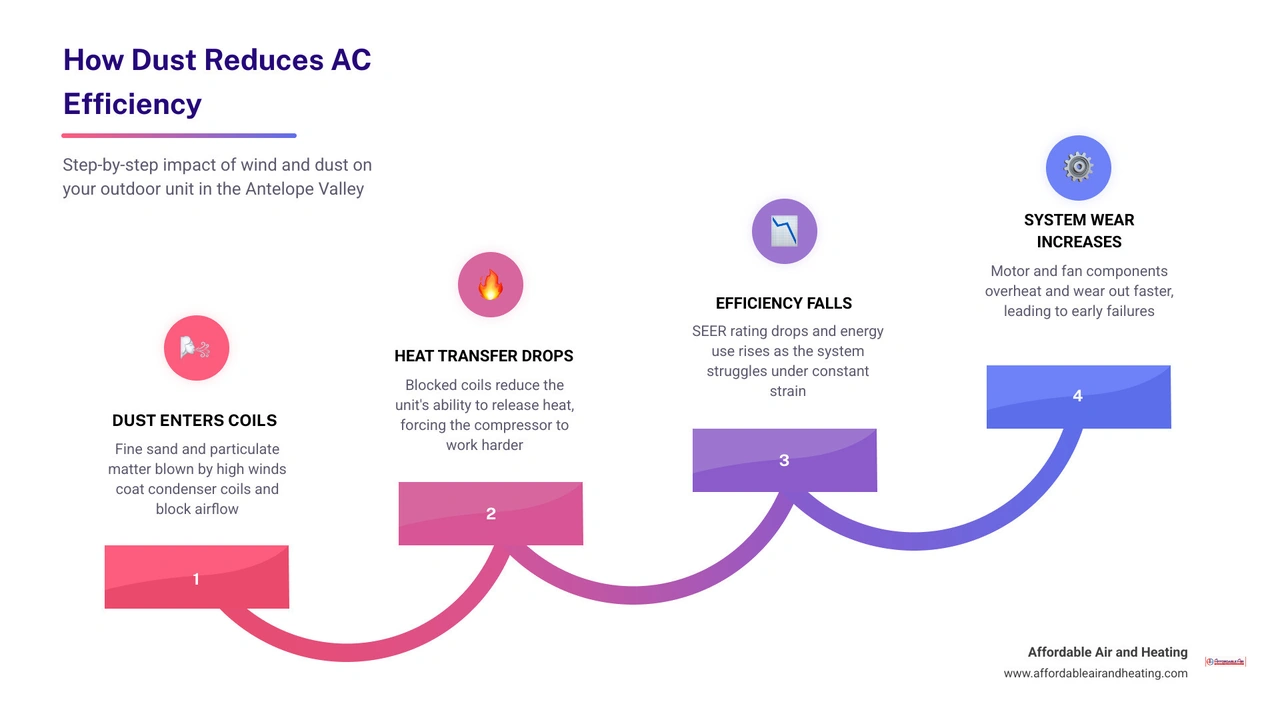
Even with the best barriers, some dust is inevitable. In the Antelope Valley, maintenance isn't a luxury; it’s a survival tactic for your HVAC system. When dust settles on your condenser coils, it acts like a thermal blanket, trapping heat inside and forcing the compressor to work twice as hard.
Cleaning the Condenser Coils
After a major wind event, we always suggest a visual inspection. If the silver "fins" on your outdoor unit look brown or gray, they are likely choked with silt. You can gently rinse the coils with a garden hose (never use a pressure washer, as it can bend the delicate aluminum fins), but for a deep clean that removes packed-in particulate matter, professional service is best. You can find more details on what you can handle yourself in our Tips for DIY HVAC Maintenance and Cleaning.
Protecting the Fan and Motor
High winds can also throw off the balance of your condenser fan blades if debris gets caught in the housing. Furthermore, the fine "flour-like" dust found in areas like Palmdale and Lancaster can work its way into motor bearings. During a standard visit for AC Maintenance Palmdale CA, we make sure the fan is balanced and the motor is lubricated to prevent the "grinding" wear-and-tear caused by desert grit.
Best Practices for How to Protect Your Outdoor AC Unit from Antelope Valley Wind and Dust
Inside the home, the battle against dust continues. When the wind howls outside, your home’s internal pressure can actually pull dust through tiny gaps in your ductwork and windows.
- Monthly Filter Replacement: Forget the "every three months" rule you see on the box. In the Antelope Valley, especially during the 2026 windy season, filters should be checked every 30 days.
- Upgrade Your MERV Rating: Consider using a filter with a MERV rating between 8 and 11. These are efficient enough to catch fine desert dust without over-restricting airflow.
- Seal the Ducts: If your ducts have leaks, they will suck in dusty attic air and blow it straight into your living room. This doesn't just make you sneeze; it adds friction to the entire system. This is a common culprit when homeowners ask, "Why Is My Electric Bill So High in an Antelope Valley Summer?"
- Weatherstripping: Ensure windows and doors are sealed tight. If dust is piling up on your windowsills, it's also getting into your return air vents.
Professional Inspections: How to Protect Your Outdoor AC Unit from Antelope Valley Wind and Dust
Because our climate is so extreme, we recommend a bi-annual "check-up"—once in the spring before the heat hits, and once in the fall. During these visits, we don't just "look" at the unit. We perform a thermal stress assessment to see how the desert heat is affecting your electrical components.
For residents in more rural or open areas, such as those seeking AC Maintenance Antelope Acres CA, these inspections are critical because wind speeds are often higher and dust is more prevalent than in the city centers. We check refrigerant levels (dust-clogged units often leak due to vibration and stress) and tighten all electrical connections that may have loosened due to wind-induced vibrations.
Identifying Wind and Dust Damage Early
How do you know if the wind has already won? Early detection can save you from a total system collapse in the middle of a 110-degree July afternoon.
- Bent or Flattened Fins: If you see "bruises" on the side of your unit, it was likely hit by flying debris or tumbleweeds. This restricts airflow and kills efficiency.
- Unusual Noises: A high-pitched squeal or a low grinding sound usually means sand has entered the motor bearings or the fan is hitting a piece of trapped debris.
- Short Cycling: If your AC turns on and off every few minutes, it might be overheating because the coils are too dusty to dissipate heat.
- Dusty Vents: If you see "ghosting" (dark streaks) around your ceiling vents, your system is pulling in dust from the outside or the attic.
To stay ahead of these problems, it helps to Detect AC Issues Early in Palmdale before they turn into expensive repairs. If the damage is already done, especially after a severe storm, you may need to look into AC Repair Rosamond CA to get things back in order.
Frequently Asked Questions about Desert AC Protection
How often should I change my filters during the 2026 windy season?
In the Antelope Valley, we recommend checking your filters every 30 days. If you live in a high-wind area like Mojave or the outskirts of Lancaster, you might even need to change them every 3 weeks during peak dust storm months. If the filter looks gray or you can't see light through it, it's time for a new one.
Can I use a plastic cover on my AC unit during a dust storm?
No, never run your AC with a cover on it. While it’s tempting to wrap the unit in plastic when you see a dust cloud coming, this will cause the unit to overheat instantly and can burn out your compressor. Furthermore, permanent plastic covers can trap moisture against the metal, leading to rust. The only time to use a cover is if the unit is completely shut down for the winter (and even then, we recommend breathable canvas covers).
What are the AVAQMD rules for outdoor equipment maintenance?
The Antelope Valley Air Quality Management District focuses on reducing PM-10 emissions. While most rules apply to construction and large-scale operations (Rules 101 and 108), homeowners are encouraged to maintain their equipment to prevent the spread of dust. Keeping your AC area clear of loose dirt and ensuring your system runs efficiently helps reduce the overall environmental impact and keeps our local air cleaner.
Conclusion
Protecting your AC unit in the Antelope Valley is a year-round job, but it doesn't have to be a stressful one. By setting up physical windbreaks, staying on top of your filter changes, and keeping those condenser coils clean, you can enjoy a cool home even when the dust is swirling outside.
At Affordable Air and Heating, we’ve been family-owned and operated since 1996. We understand exactly what the desert wind does to HVAC systems because we live and work right here with you. Whether you’re in Palmdale, Lancaster, Rosamond, or Santa Clarita, we’re here to help you keep your system running at peak efficiency.
Don't wait for the next big dust storm to take a toll on your comfort. Protect your home with professional air conditioning services and let us help you extend the life of your AC unit today.