What to Do When Your Circuit Breaker Trips Every Time the AC Turns On
If you're dealing with a circuit breaker tripping when AC turns on what to do next is something you need to know fast — especially when Antelope Valley summer temperatures are pushing past 100°F and your home is heating up by the minute. Here's a quick answer before we dive deeper:
Quick answer — if your AC keeps tripping the breaker:
- Turn your thermostat to OFF immediately
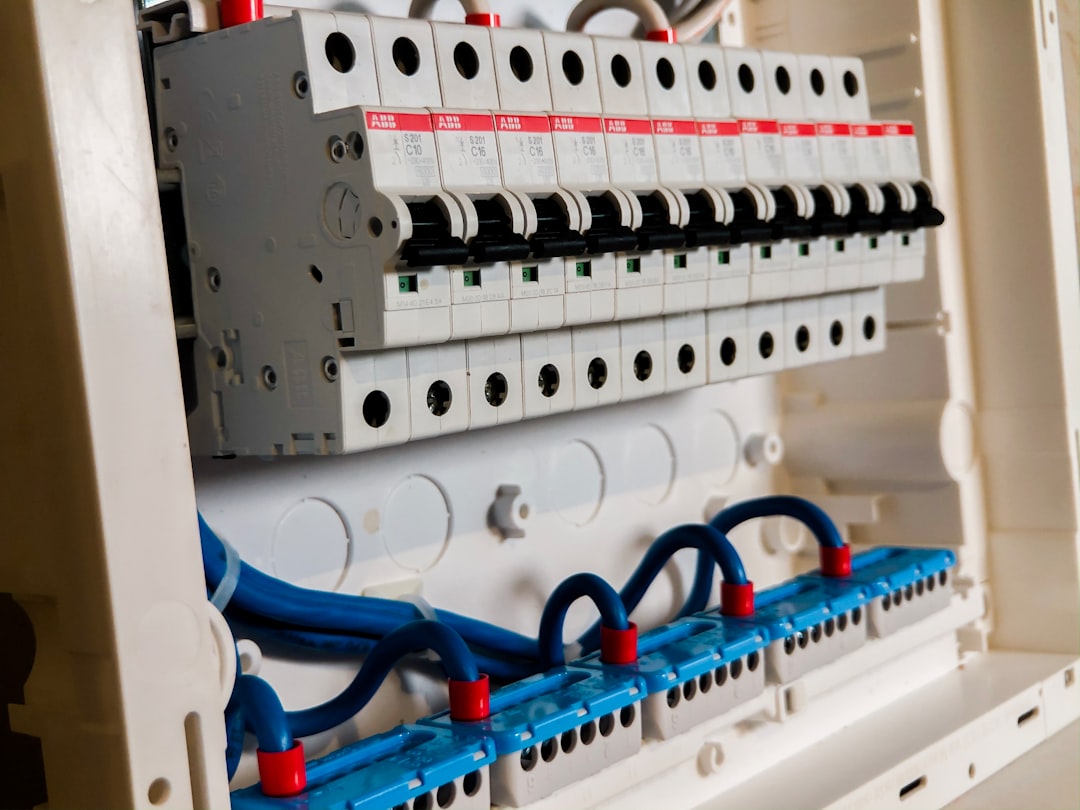
- Go to your electrical panel and move the tripped breaker fully to OFF, then back to ON
- Wait 30 minutes before restarting the AC
- Check your air filter — replace it if it looks dirty or clogged
- Look at your outdoor condenser unit for debris, overgrowth, or visible damage
- If the breaker trips again, stop resetting it and call an HVAC professional
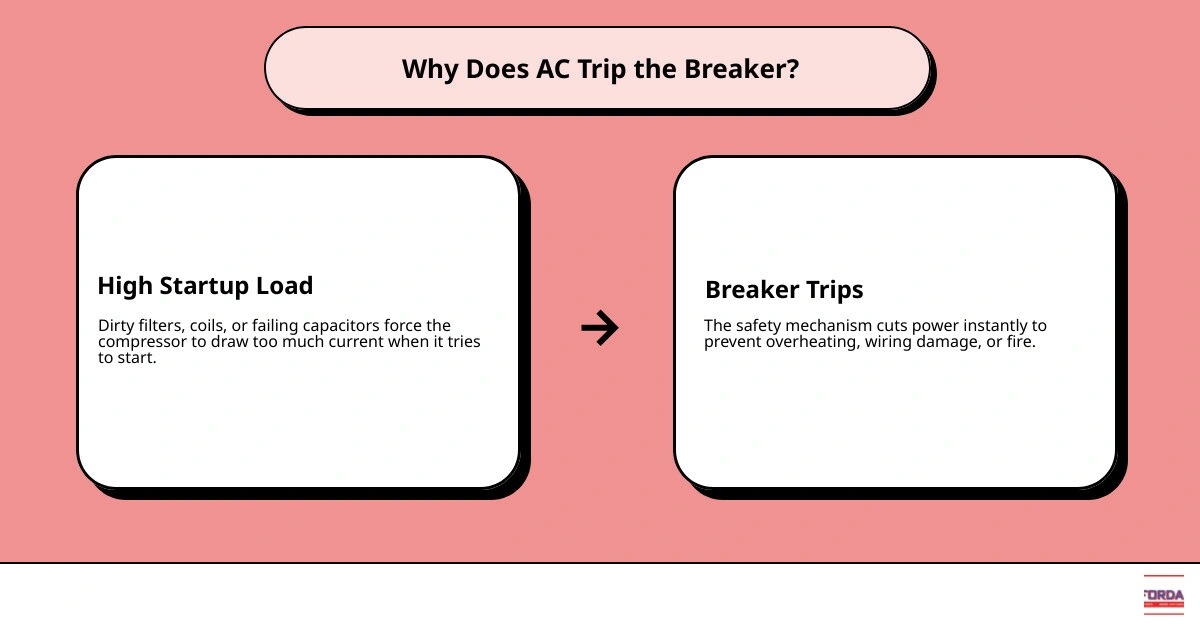
Your AC's circuit breaker is a safety device. When it trips, it's doing exactly what it's designed to do — cutting power before wiring overheats or something gets damaged. That said, a one-time trip after a hot afternoon is very different from a breaker that trips every single time the system kicks on. The first might be a fluke. The second is a warning sign you shouldn't ignore.
The most common culprits behind a tripping AC breaker are a clogged air filter, dirty condenser coils, a failing capacitor, or a compressor that's struggling to start. In rarer cases, it points to a grounded compressor, loose wiring, or a breaker that's simply worn out after years of use.
This guide walks you through exactly what each of those causes looks like, what you can safely check yourself, and when it's time to stop resetting and pick up the phone.
Related content about circuit breaker tripping when ac turns on what to do:
- ac keeps turning on and off what is wrong
- ac not cooling but running what to check first
- ac troubleshooting before calling a pro
Understanding a Circuit Breaker Tripping When AC Turns On: What to Do First
Before you can solve the mystery of your tripping breaker, it helps to understand why it's happening. A circuit breaker is essentially a gatekeeper. It monitors the flow of electricity (measured in amps) traveling through your electrical panel to your air conditioner. If the current flowing through that wire exceeds the breaker’s safety rating, the breaker trips to prevent the wires from overheating, melting, and potentially starting an electrical fire.
When your AC trips the breaker, the issue usually falls into one of two categories: an electrical overload or a short circuit / ground fault.
- Electrical Overload: This occurs when your AC is working way harder than it should. Because it's struggling, it continuously draws more electrical current than the circuit can safely handle. Overloads typically cause the breaker to trip after the system has been running for a few minutes (often 10 to 30 minutes).
- Short Circuit or Ground Fault: This is an instantaneous electrical failure. A short circuit happens when a hot wire touches a neutral wire. A ground fault occurs when a hot wire comes into contact with a grounded component or the metal frame of your AC unit. In both cases, electricity bypasses its normal path, causing resistance to drop to near zero and current to spike instantly. This causes the breaker to trip the exact millisecond the AC turns on.
For a deeper dive into how these issues present themselves, you can check out our guide on Solving AC Breaker Tripping Lancaster.

To help you quickly distinguish between these two scenarios, we've broken down the key differences below:
| Symptom | Electrical Overload | Short Circuit / Ground Fault |
|---|---|---|
| Timing of Trip | Trips after running for 5 to 30 minutes | Trips instantly (the millisecond the AC starts) |
| Primary Cause | Restricted airflow, dirty coils, or a weak motor | Exposed wires, grounded compressor, or failed winding |
| Current Draw | Gradually climbs above the breaker's rated limit | Instantaneous spike (often over 100 amps) |
| Safety Risk | Moderate (overheating wires if repeatedly bypassed) | High (extreme fire risk and potential component destruction) |
Understanding this distinction is crucial for electrical safety. If your system is short-circuiting, repeatedly flipping the breaker back on is highly dangerous. It can melt wire insulation, permanently destroy your expensive AC compressor, or spark a house fire.
Immediate Steps for a Circuit Breaker Tripping When AC Turns On: What to Do Safely
If you hear that dreaded click and notice your home growing warm, follow these step-by-step troubleshooting rules to safely assess the situation:
- Follow the "One-Reset Rule": You should only attempt to reset your AC circuit breaker once. If you reset it and it immediately trips again, stop. Leave it off. Repeatedly resetting a breaker into an active electrical short is a major safety hazard.
- Turn the Thermostat to OFF: Before you touch the electrical panel, walk over to your thermostat and switch the system from "Cool" to "Off." You do not want the air conditioner trying to start up the exact moment you flip the breaker back on. This protects both you and the system from sudden electrical surges.
- Perform a Hard Reset:
- Locate your home’s main electrical panel (usually in the garage, basement, or an outdoor closet).
- Find the breaker labeled "AC" or "HVAC." It will likely be a double-pole breaker (a switch that is twice as wide as a standard breaker).
- If the breaker has tripped, it will be sitting in the middle position, between "ON" and "OFF."
- Push the switch firmly to the full OFF position first. You must do this to reset the internal spring mechanism.
- Flip the switch back to ON.
- Wait 30 minutes before turning your thermostat back to "Cool." This gives the refrigerant pressures inside your air conditioner time to equalize, making it much easier for the compressor to start up without drawing excess current.
While you are waiting during that 30-minute window, you can run through a few basic checks. For a complete checklist of what to look for, read our article on AC Troubleshooting Before Calling a Pro.
The Most Common Causes of an AC Breaker Trip
If your AC trips the breaker after running for several minutes, the system is likely drawing too much power due to mechanical strain. Here are the most common culprits:
1. A Clogged, Dirty Air Filter
It might sound hard to believe, but a simple, dirty air filter is one of the most common reasons an AC circuit breaker trips. When your air filter is packed with dust, pet dander, and hair, it acts like a wall. Your indoor blower fan has to work twice as hard to pull air through this restriction.
This extra strain forces the blower motor to draw significantly more electricity—often increasing its current draw by 20% to 30%. Over time, this excess load heats up the circuit wiring and trips the breaker.
2. Dirty Condenser Coils
Your outdoor AC unit contains condenser coils that are responsible for releasing the heat collected from inside your home. Over time, these coils get coated in dirt, grass clippings, pollen, and outdoor debris.
This layer of grime acts like an insulating blanket. Because the heat cannot escape, the compressor has to run longer and work much harder to cool your home. The harder the compressor works, the hotter it gets, and the more electricity it draws. Eventually, this high amp draw exceeds your breaker's safety threshold.
If your system is shutting down frequently due to these issues, it may also cause short cycling. Learn more about this pattern in our guide on AC Keeps Turning On and Off: What Is Wrong? or find out how to Fix AC Short Cycling Lancaster.
Failing Capacitors and Hard-Starting Compressors
When the breaker trips the exact moment the outdoor unit tries to kick on, the issue is almost always electrical. In residential AC units, the most common summertime failure involves the capacitors.
Your outdoor unit relies on two types of capacitors:
- Start Capacitor: Provides an extra electrical "boost" to get the compressor motor spinning from a dead stop.
- Run Capacitor: Delivers a constant, steady stream of electricity to keep the compressor and fan motors running smoothly.
A failing start or run capacitor is the most common problem on condensing units, especially during hot summer days. When a capacitor weakens, it can no longer provide the necessary voltage boost. As a result, when the compressor tries to start, it stalls.
When a motor is stalled but receiving power, it enters a state called "Locked Rotor." In this state, the motor draws its Locked Rotor Amps (LRA)—which is the maximum current the motor can physically pull.
For example, a typical residential AC unit with a 102-amp LRA rating was measured drawing a 106-amp startup surge on one leg because of a failing capacitor. Because this massive surge vastly exceeded the system's 40-amp breaker rating, the breaker tripped instantly to protect the home’s electrical panel.
If you hear a loud buzzing sound from your outdoor unit followed by a sharp click and a tripped breaker, a failed capacitor or a failing contactor is the highly likely cause. You can read more about these electrical symptoms in our detailed article on AC Contactor Failure Symptoms and What Causes It.
Grounded Compressors, Fan Motor Issues, and Electrical Shorts
If your capacitors are in perfect working order but the breaker still trips instantly, you may be dealing with a more severe component failure:
A Grounded Compressor
This is one of the most serious mechanical failures an air conditioner can experience. Over time, the electrical windings inside the compressor motor can overheat, causing their protective insulation to break down. When this happens, the live electrical wire inside the compressor comes into direct contact with the metal frame of the unit.
This creates an instantaneous ground fault. Because there is no resistance, the system draws over 100 amps instantly, tripping the breaker immediately. A grounded compressor cannot be repaired; it requires a full compressor replacement or a new outdoor unit.
Broken Outdoor Fan Motor
A broken coil fan in the outdoor unit can also cause the air conditioner circuit breaker to trip. If the fan motor bearings seize up, or if the motor windings short-circuit, the fan will draw excessive amperage or create a direct short. Without the fan running, the outdoor unit cannot dissipate heat, leading to rapid compressor overheating and subsequent breaker trips.
Loose Wiring or a Bad Breaker
Electrical connections naturally expand and contract as they heat up and cool down. Over years of operation, this movement can cause wire lugs to loosen inside your electrical panel or your AC disconnect box. Loose connections create high resistance, which generates extreme heat and trips the breaker.
Additionally, a bad breaker is itself one of the most common reasons an air conditioner trips. Over decades of service, the internal bi-metal strip inside a circuit breaker can weaken, causing it to trip at much lower amperages than it is actually rated for.
To learn more about diagnosing these outdoor unit electrical issues, read AC Not Cooling But Running: What to Check First.
When to Stop Resetting and Call a Professional
While it can be tempting to keep flipping your breaker back on in hopes that the AC will magically start working again, doing so is highly dangerous.
You should stop resetting the breaker and call a professional immediately if you experience any of the following "red flag" symptoms:
- The breaker trips the exact millisecond the AC turns on.
- You smell a distinct burning plastic or electrical odor near your outdoor unit or your main electrical panel.
- You hear buzzing, crackling, or sizzling sounds coming from your breaker panel.
- The breaker feels hot or warm to the touch.
- You notice your indoor lights brightening significantly (rather than briefly dimming) when the AC tries to start, which can indicate a dangerous floating neutral electrical emergency.
If you notice any of these warning signs, turn the system off and refer to our guide on Signs You Need AC Repair. For rapid assistance in the Antelope Valley, you can also reach out to our Emergency HVAC Repair Services Fast Reliable team.
Preventing a Circuit Breaker Tripping When AC Turns On: What to Do for Long-Term Maintenance
The best way to handle a tripping breaker is to prevent the electrical strain from happening in the first place. By staying on top of basic maintenance, you can keep your system running efficiently and safely:
- Change Your Air Filters Regularly: In the dusty, windy climate of the Antelope Valley (especially in areas like Lancaster, Palmdale, and Quartz Hill), we recommend checking your air filters every month and replacing them at least every 1 to 3 months.
- Keep Your Outdoor Unit Clear: Maintain at least two feet of clear space around your outdoor condenser unit. Trim back any weeds, shrubs, or desert brush, and regularly clear away windblown trash or leaves.
- Schedule Annual Professional Maintenance: Having an expert inspect your system every spring is the ultimate preventative measure. During a routine tune-up, a technician will clean your condenser coils, tighten loose electrical connections, test your capacitors' microfarad levels, and measure your compressor's startup amp draw to catch weak components before they fail.
To understand the value of preventive care, read our guides on Professional HVAC Repairs and HVAC Issues and When to Call the Pros.
Frequently Asked Questions About AC Breaker Issues
Can a refrigerant leak cause my AC circuit breaker to trip?
Yes, absolutely. When your air conditioner is low on refrigerant, it cannot cool your home efficiently. This causes the system to run continuously without stopping. Over hours of non-stop operation, the compressor will overheat, draw excess electrical current, and eventually trip the breaker to protect itself from burning out.
Is it normal for my lights to dim briefly when the AC turns on?
Yes, a brief dimming of your lights (lasting less than one second) is completely normal. Your AC compressor is a massive motor that requires a significant "inrush current" to start spinning. This brief voltage drop is normal. However, if your lights dim and stay dim, or if they flicker continuously while the AC is running, you likely have a loose electrical connection or an overloaded electrical panel that needs professional attention.
How do I know if my circuit breaker itself is bad?
A weak or failing breaker will often trip even when the AC is drawing normal, safe levels of electricity. Signs of a bad breaker include a switch that feels loose or "spongy" when you try to reset it, a breaker that is hot to the touch, visible scorch marks on the plastic casing, or a buzzing sound coming directly from the electrical panel. Breaker replacement should always be handled by a licensed professional.
Conclusion
A circuit breaker tripping when AC turns on what to do is an issue that requires a balance of quick homeowner checks and professional expertise. While replacing a dirty air filter or clearing brush away from your outdoor unit are great DIY steps, handling complex electrical issues like failing capacitors, shorted fan motors, or grounded compressors requires specialized tools and training.
At Affordable Air and Heating, we have been family-owned and operated since 1996. We proudly serve homeowners across the entire Antelope Valley, CA region—including Palmdale, Lancaster, Santa Clarita, Acton, Rosamond, and surrounding communities. We are committed to providing affordable prices, energy-efficient solutions, and flexible financing options to keep your home safe and comfortable all summer long.
Don't sweat through a hot summer afternoon with a tripping breaker. Schedule professional air conditioning services today and let our experienced team restore your peace of mind and home comfort!