The Mechanics of Airflow: How a Dirty Filter Raises Your Southern California Energy Bill
#
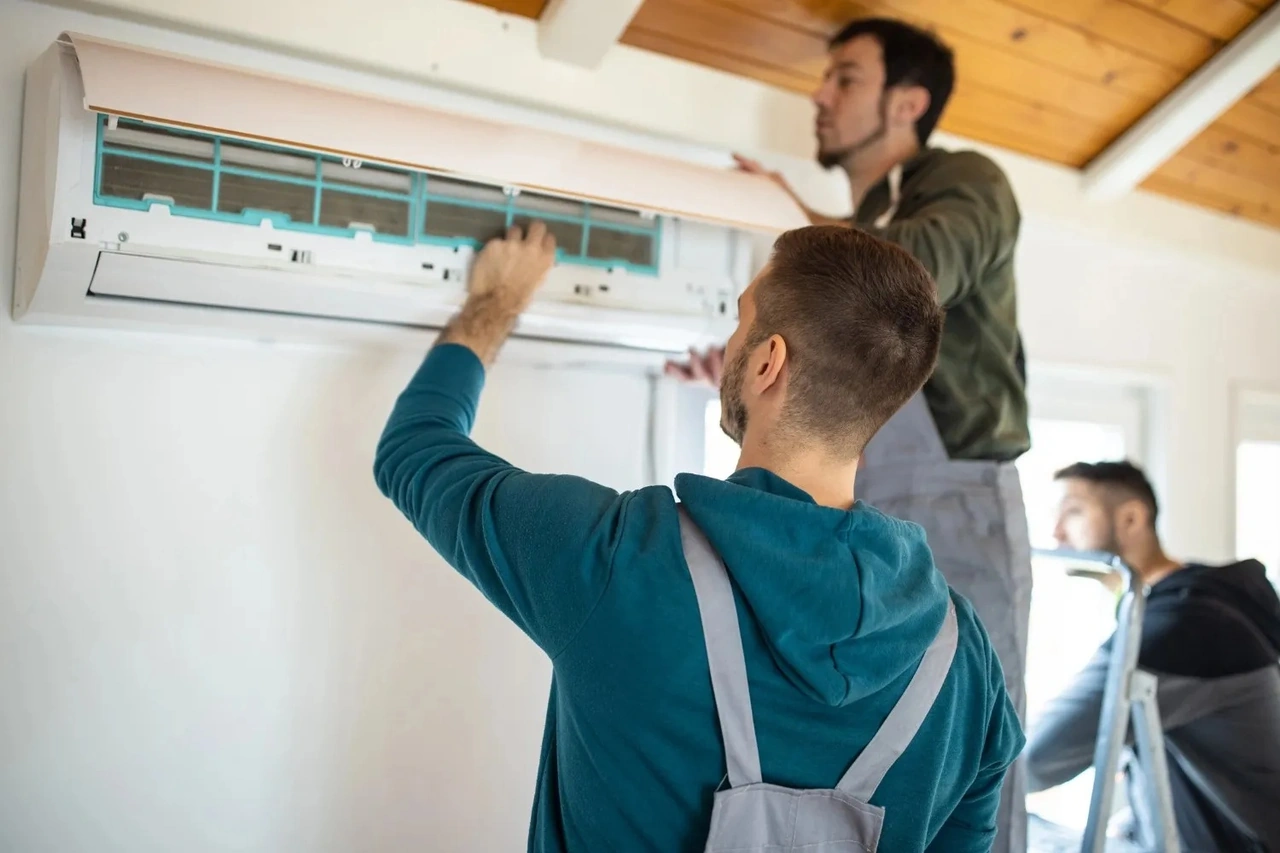
Understanding how a dirty filter raises your Southern California energy bill starts with one simple fact: a clogged filter forces your HVAC system to work harder, and that extra effort shows up directly on your utility bill. Here is a quick breakdown of what happens:
- Restricted airflow makes your blower motor strain to push air through the system
- Longer run times mean your AC runs more cycles to reach your target temperature
- Higher electricity draw occurs as motors compensate for the added resistance
- Reduced cooling efficiency can cost you up to 15% more in energy use
- Rising utility rates in 2026 mean even a small efficiency loss hits harder than it used to
With electricity bills expected to climb 8.5% this summer — and some southern states seeing spikes above 13% — a neglected filter is one of the easiest and most overlooked reasons your bill keeps creeping up. In the Antelope Valley, where summer temperatures routinely push your AC to its limits and desert dust loads filters faster than almost anywhere else in the country, this problem is especially acute.
I'm Vito, and in this guide I'll walk you through exactly what's happening inside your system — and what you can do about it.

Key how a dirty filter raises your southern california energy bill vocabulary:
- ac bill spikes in summer
- why is my electric bill so high in an antelope valley summer
- does ac efficiency drop as it ages in extreme heat
To understand the core issue, we have to look at how your air conditioner works. Your AC does not actually "create" cold; rather, it removes heat from your indoor air. It does this by pulling warm indoor air through a return vent, passing it over a freezing-cold evaporator coil, and blowing the newly cooled air back into your living spaces.
The air filter is the gatekeeper of this entire process. When that gatekeeper is clean, air glides through effortlessly. But when the filter is coated in a thick, gray felt of dust, pet dander, and fibers, it acts like a wall. This airflow restriction completely disrupts your system's delicate balance, dropping your overall cooling efficiency and leaving you wondering, "Why Is My Electric Bill So High in an Antelope Valley Summer?"
Understanding Static Pressure: How a Dirty Filter Raises Your Southern California Energy Bill
In the HVAC world, we use the term "static pressure" to describe the resistance to airflow within your ductwork and equipment. Think of it like blood pressure: some resistance is normal and necessary, but when static pressure gets too high, it puts an immense strain on the entire system.
When a dirty filter blocks the air return, static pressure spikes. The blower motor has to fight against this artificial restriction just to move air. As the airflow drops below safe operational limits (typically around 200 cubic feet per minute per ton of cooling capacity), your system's ability to transfer heat plummets. This is a primary driver behind those dreaded AC Bill Spikes in Summer.
Blower Motor Strain: How a Dirty Filter Raises Your Southern California Energy Bill
The component that bears the brunt of this high static pressure is your blower motor. When air is restricted, the motor has to run longer and, depending on the type of motor you have, draw significantly more electrical current to do its job.
This extra electrical draw translates directly to a higher number of kilowatt-hours (kWh) on your monthly Southern California Edison or local utility bill. Furthermore, because the system cannot move enough cold air into your home, the air conditioner has to run much longer cycles to satisfy your thermostat, multiplying the overall energy consumption. This is why addressing airflow blockages is just as critical as ensuring you don't have leaky ducts, as discussed in our look at Does Dirty Ductwork Make Your AC Work Harder in Southern California.
Blower Motor Technologies: PSC vs. BPM Motors
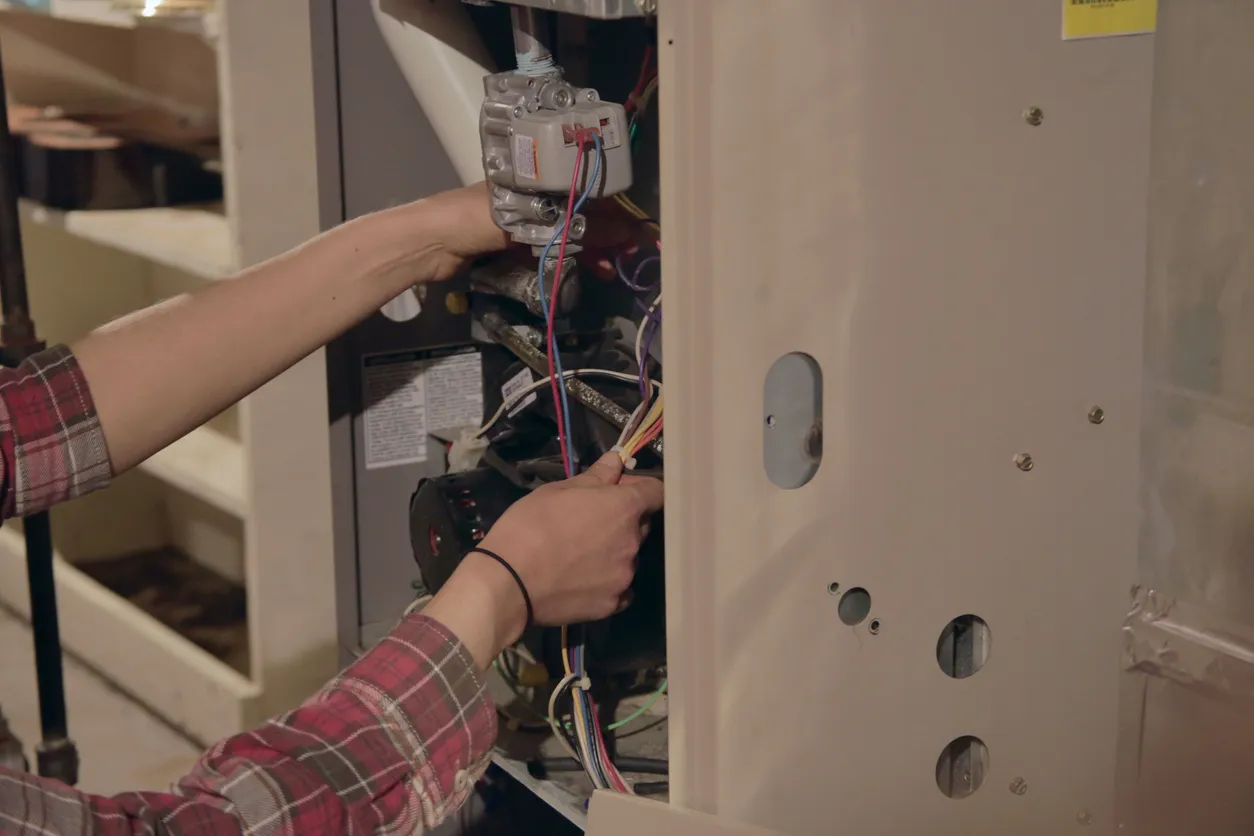
How your specific HVAC system responds to a dirty filter depends heavily on the type of blower motor installed inside your furnace or air handler. Not all motors are created equal, and modern energy-efficient motors actually respond to dirty filters in a way that might surprise you.
| Motor Type | Response to Dirty Filter / High Resistance | Impact on Airflow | Impact on Power Draw & Energy Bill | Risk Factors |
|---|---|---|---|---|
| PSC (Permanent Split Capacitor) | Runs at a constant speed; cannot adjust to high pressure. | Drops significantly (up to 22% drop with high-resistance filters). | Power draw drops slightly, but system runs much longer. | Coil icing, compressor failure, poor cooling. |
| BPM (Brushless Permanent Magnet / Variable Speed) | Ramps up speed to maintain programmed airflow targets. | Stays relatively constant. | Power draw spikes dramatically (up to 20% increase). | Overheating, high utility bills, motor burnout. |
Permanent Split Capacitor (PSC) Motors
PSC motors are the traditional, single-speed motors found in older or budget-friendly HVAC systems. When a PSC motor encounters a dirty filter, it cannot adjust its speed. Instead, the high static pressure causes the airflow to drop off a cliff.
When airflow drops, the temperature of your evaporator coil plunges. Without enough warm indoor air passing over the coil, the condensation on the coil freezes solid. This ice block completely seals off what little airflow was left, forcing your compressor to run continuously without cooling your home. This massive drop in cooling efficiency is why we highly recommend an AC Tune Up Maintenance in Canyon Country CA to check motor performance before summer peaks.
Brushless Permanent Magnet (BPM) Motors
BPM motors (often called variable-speed or ECM motors) are modern, high-efficiency motors. They are designed to maintain a constant, pre-programmed airflow regardless of the resistance they encounter.
While this sounds great in theory, a dirty filter turns this benefit into an energy penalty. When a filter is clogged, the BPM motor senses the resistance and ramps up its power to force the air through. In fact, research shows that blower energy use can increase by about 20% as a filter becomes dirty in systems with BPM motors. You get the airflow you need, but you pay a steep premium for it on your electric bill. This is one of the many reasons why the Benefits of Regular AC Maintenance always include keeping a fresh, clean filter in place.
The High-MERV Filter Dilemma in Southern California Homes
Many well-meaning homeowners in places like Santa Clarita, Lancaster, and Palmdale buy the thickest, highest-rated filters they can find to protect their families from seasonal allergies and outdoor dust. They look for MERV (Minimum Efficiency Reporting Value) ratings of 13 to 16.
However, high-MERV filters are incredibly dense. If your HVAC system's ductwork and blower motor were not specifically designed to handle the high static pressure of a MERV 16 filter, installing one can be just as damaging as running a dirty, low-efficiency filter. The high resistance restricts airflow from day one, forcing your system to run constantly, much like the issues caused by poor insulation outlined in How Poor Insulation Makes Your AC Run Constantly in Hot Inland Climates.
Airflow Bypass and System Whistling
When the resistance of a high-MERV or heavily loaded filter becomes too great, air will find the path of least resistance. This often results in "filter bypass," where air bends the filter frame and sucks dirty, unfiltered air straight around the edges of the filter. This completely defeats the purpose of buying a high-efficiency filter.
Additionally, this intense suction can create an annoying, high-pitched whistling noise as air is forced through tiny gaps in your filter slot or return grille. This bypass air carries dust directly onto your indoor coils, leading to the exact performance drops we see with mini-split systems in How Desert Dust Affects Mini-Split Filter and Coil Performance.
Duct Leakage and Cumulative Energy Waste
The energy penalty of a dirty or overly restrictive filter is compounded if your home has older, leaky ductwork. When a dirty filter blocks air from returning to the AC, the system creates a powerful vacuum inside the return ducts.
If those ducts have cracks or loose joints — common in older attics and crawlspaces throughout places like Acton, Castaic, and Newhall — the system will pull hot, dusty, unconditioned air from your attic directly into your living spaces. In cooling-dominated climates like Southern California, the combination of a high-MERV or dirty filter, leaky ducts, and a BPM blower motor can increase your annual energy use by up to 20%. Sealing those leaks is one of the most effective 8 Ways to Reduce Your Monthly Utility Bills.
Practical Maintenance: When and How to Replace Your Filter
Fortunately, avoiding these energy penalties is simple and highly cost-effective. Keeping a fresh filter in your system is the single easiest DIY maintenance task you can perform to protect your wallet and your HVAC equipment.
If you suspect your filter is currently costing you money, look out for these immediate warning signs:
- A sudden, unexplained jump in your monthly electric bill
- Weak or lukewarm airflow coming from your supply registers
- A visible layer of grey dust on your return vent grilles
- An unusual whistling or humming sound when the AC kicks on
- Excessive dust settling on your furniture shortly after cleaning
- The AC system "short-cycling" (turning on and off rapidly)
Recommended Filter Replacement Intervals
In a mild climate, a standard 1-inch pleated filter might last up to 90 days. However, our local desert and valley climates are far from mild. In hot, windy, and dusty areas like Rosamond, Quartz Hill, and Antelope Acres, we highly recommend checking your filter every 30 days.
If you have household pets, smoke, or suffer from severe allergies, you will likely need to change it monthly. For those utilizing ductless systems, maintaining clean filters is just as vital, as detailed in our guide on How to Maintain a Ductless Mini-Split in a Hot Dusty Desert Climate. Understanding How Often Should You Service Your Air Conditioner in a Desert Climate is key to keeping your home running efficiently.
Professional Maintenance and System Calibration
While changing your filter is a great first step, it is only one piece of the puzzle. During a professional tune-up, an experienced technician will perform a static pressure test to ensure your system's blower is perfectly calibrated for the level of filtration you want to use.
We measure the pressure drop across your filter slot and inspect your indoor coil to ensure no dust has bypassed the filter. This comprehensive calibration ensures your system runs at peak efficiency. To learn more about what we do during these visits, check out What Is Included in a Professional AC Tune Up.
Frequently Asked Questions about HVAC Filters and Energy Bills
Can a high-MERV filter actually damage my air conditioning system?
Yes, absolutely. If your system is not designed to handle the high static pressure of a dense filter (like a MERV 16), it can restrict airflow below safe limits. This causes your evaporator coils to freeze, strains your compressor to the point of premature failure, and can cause your furnace to overheat and cycle on its high limit safety switches during the winter.
How much can I save on my Southern California energy bill by changing my filter?
According to the Department of Energy and local utility data, replacing an old, dirty air filter with a clean one can improve your air conditioner's energy efficiency by up to 15%. With summer electric bills rising across Southern California, that 15% savings can translate to significant monthly relief.
Does desert dust in the Antelope Valley require more frequent filter changes?
Yes. The high winds, blowing sand, and fine desert dust characteristic of Lancaster, Palmdale, and surrounding valley communities load filters much faster than in coastal areas. Homeowners in these regions should inspect their filters every 30 days and replace them as soon as a grey layer of dust is visible.
Conclusion
Keeping your air filters clean is the simplest, most cost-effective way to fight back against rising utility rates in 2026. By ensuring unrestricted airflow, you protect your blower motor, prevent expensive system freeze-ups, and keep your monthly energy bills as low as possible.
At Affordable Air and Heating, we have been helping our neighbors throughout the Antelope Valley and Santa Clarita Valley stay comfortable since 1996. Whether you need an AC Maintenance Palmdale CA, an AC Maintenance Lancaster CA, or service in Valencia, Stevenson Ranch, or Saugus, our family-owned team is here to provide affordable, energy-efficient solutions.
Schedule professional AC maintenance today to ensure your system is perfectly calibrated, clean, and ready to tackle the summer heat efficiently!